

An ordinary pet request and a disability-related accommodation request should not be handled as the same administrative event. First understand what the resident is asking.
Record the request without assumptions
Capture the date, property and unit, requested arrangement, and preferred contact route. Avoid demanding broad medical records or asking staff to diagnose a person.
If the request concerns an accommodation, route it to the person responsible for reviewing current applicable requirements.
Check the governing rules
Review federal, state, and local requirements and the particular housing context with qualified guidance. Animal-accommodation policy and enforcement can change; do not rely on an old internet checklist, a social-media comment, or a generic pet-fee setting.
HUD maintains assistance-animal information. Confirm the currently applicable requirements before deciding what documentation, restrictions, or charges are appropriate.
Keep the process traceable
Record any lawful information request, response, reviewer, decision, and communication. Keep sensitive material separate from ordinary maintenance or leasing notes.
Coordinate practical issues such as scheduled access using neutral, relevant information. Do not circulate medical details to contractors.
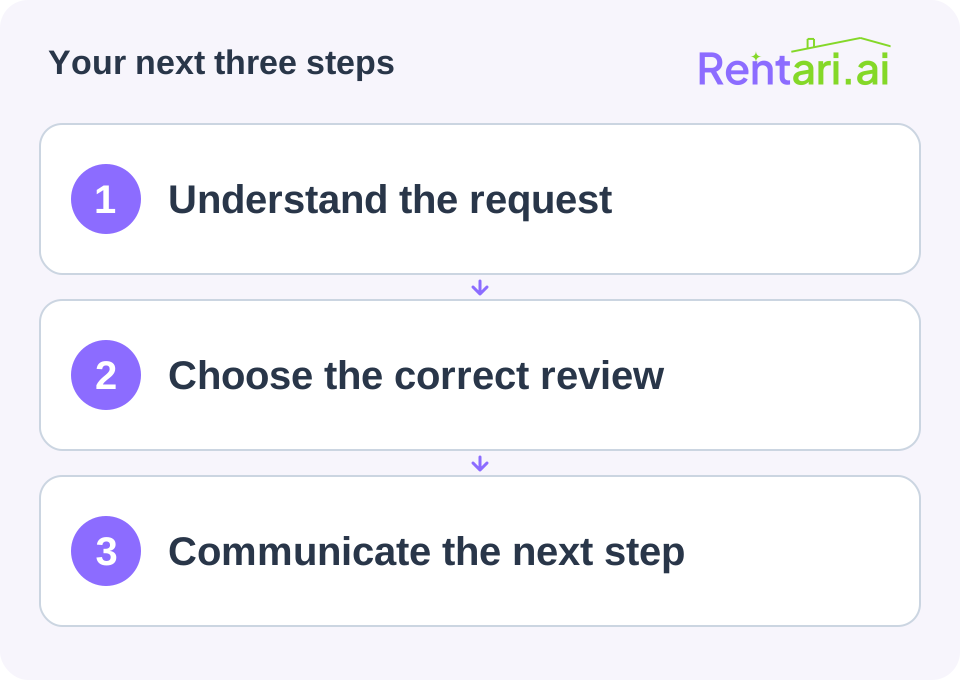
Your next step is to identify who owns this review and how residents can reach them. A clear route helps prevent an accommodation request from being mistakenly treated as an automatic lease violation or billing event.
Sources and further reading
Source review: September 24, 2026. Check current requirements before acting.

