 Respond to an entry-door concern or guest dispute
Separate immediate safety from the complaint review. If someone faces an immediate threat or attempted entry, use the appropriate emergency response. Report a door or lock that does not work through the property's urgent maintenance route, with the location, observed fault and a safe contact method. Keep escape routes clear; do not barricade exits or improvise changes to fire or access hardware. The U.S. Fire Administration's escape guidance explains why doors and windows must remain unblocked.
Investigate conduct without exposing private lives. Record dates, attempted access, reported noise, actual guests and relevant written house rules. Do not infer a person's identity, relationships or responsibility from rumors or an app's name. Review a shared-utility dispute against the agreed billing arrangement rather than inventing a guest surcharge. Limit any access-log or camera review to authorized, relevant records and protect residents' privacy.
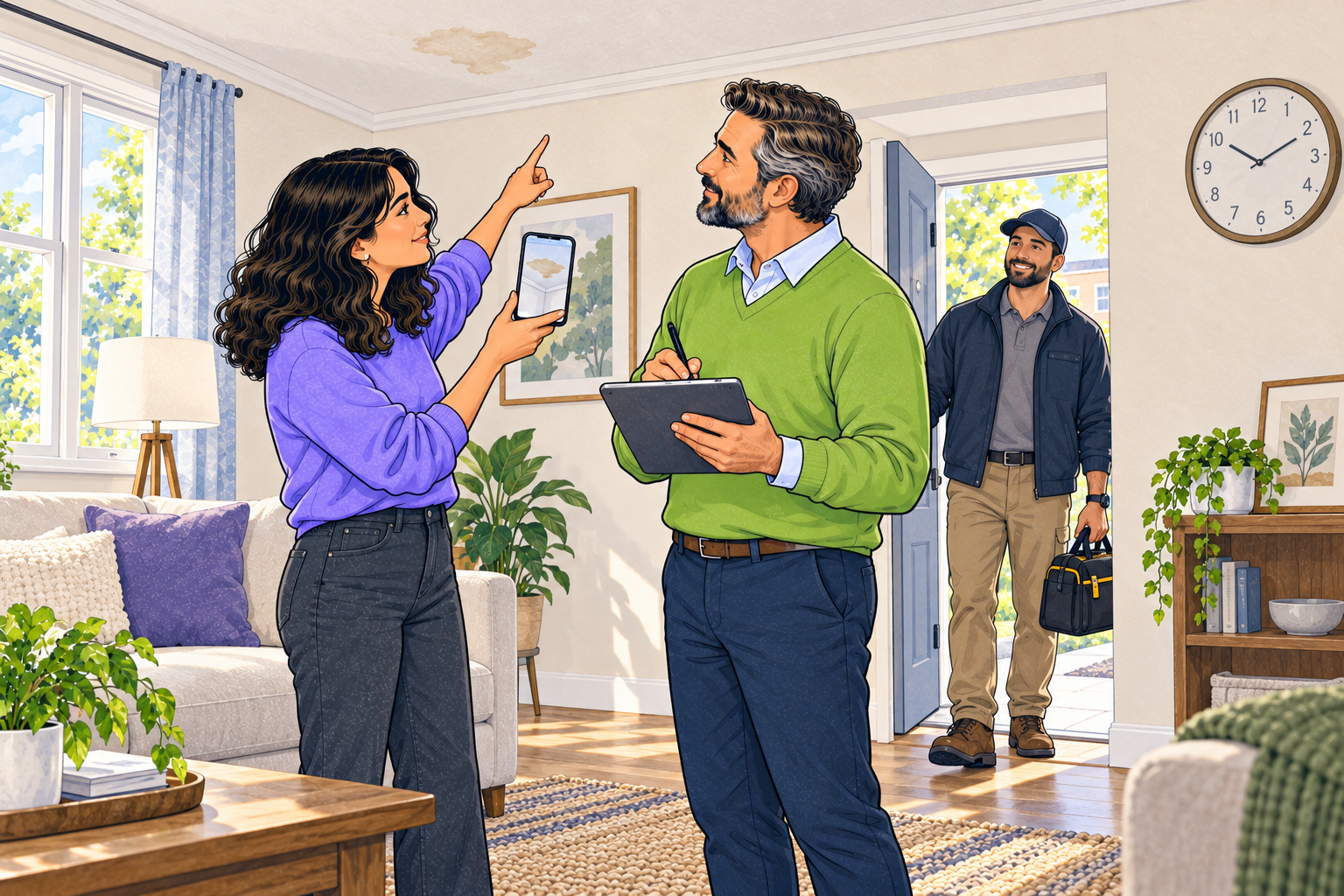
Track the repair and next update. Assign the responsible person, arrange lawful access, record what was inspected or repaired and confirm whether the door works afterward. Explain delays and the next update without promising safety before verification. Get qualified local advice on temporary arrangements or a proposed lease ending; a complaint does not establish one universal remedy. Keep the repair response separate from any disagreement about a resident's public comments.


 NAR settlement: questions for a rental-property purchase or sale
 When an unusual rental situation needs a clear record