
A complaint log should help investigate a condition without turning into an informal blacklist of residents.
Work through the checklist
Use the download to keep your record.
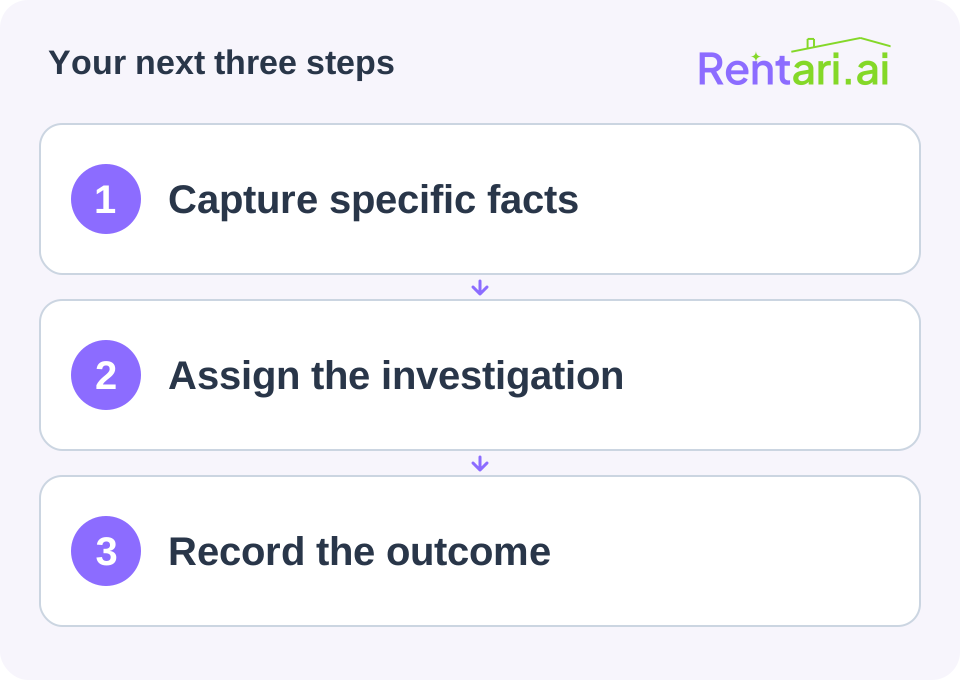
Record the event
Use a complaint reference, property and unit, report date, event time, location, duration, observable description, and immediate safety assessment. Keep the reporting person's contact information secure.
Distinguish firsthand observation from a secondhand report. Do not write conclusions about motives or personal characteristics.
Track the response
Assign an owner, next contact, lawful access needs, and any qualified vendor or adviser. Record what information was checked and what remains uncertain.
Keep recordings or photographs only when lawfully obtained and relevant. Do not instruct residents to confront someone or enter another person's space.
Close or continue the case
Record findings, action, communication date, and follow-up result. If the condition is unresolved, name the next step rather than repeatedly closing and reopening an unexplained ticket.
Any enforcement decision should follow the applicable legal review and required process. This log documents facts; it does not authorize a penalty or tenancy change.
Review patterns by event and location. That can reveal a building-system problem or a communication gap that a resident-focused label would miss.
Keep your completed record
Save the worksheet with the supporting records and restrict access to people who need it. This blank organizer does not calculate a legal, tax, insurance, or eligibility decision.

