

A hypothetical new landlord spends the first month answering scattered messages. A repair is waiting on a part, a payment is unmatched, and a listing still shows an old available date.
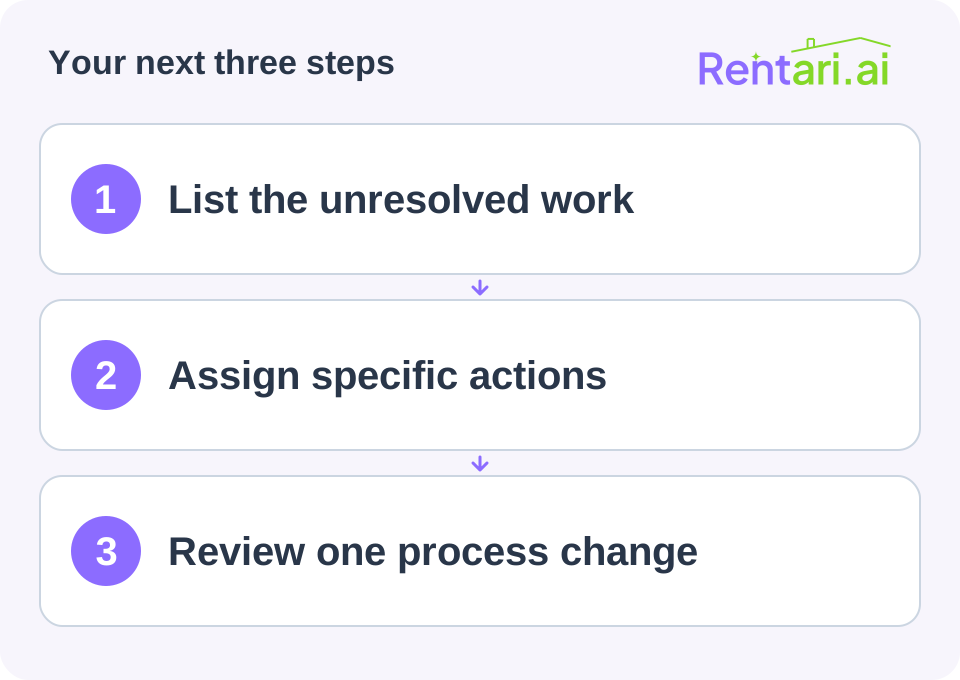
Make the open work visible
The owner creates three factual task records rather than a general catch-up reminder. Each names the property, current status, next action, and responsible person.
The repair needs a vendor update, the payment needs transaction matching, and the listing needs a public-page recheck.
Close the right event
The owner does not mark the repair complete when a part is ordered, the payment received when someone promises it, or the listing corrected when a dashboard edit is saved.
Completion evidence is defined for each task. Urgent conditions and verified deadlines remain outside the ordinary weekly queue when immediate action is needed.
Improve one recurring weakness
The owner notices that most confusion follows phone calls. They begin sending short factual summaries with an action owner and update date.
At the next review, the question is whether fewer tasks lack a clear next step, not whether the owner sent more messages.
This example does not promise a stress-free business. It demonstrates a manageable starting routine: accurate records, clear responsibility, and one practical improvement at a time.

