

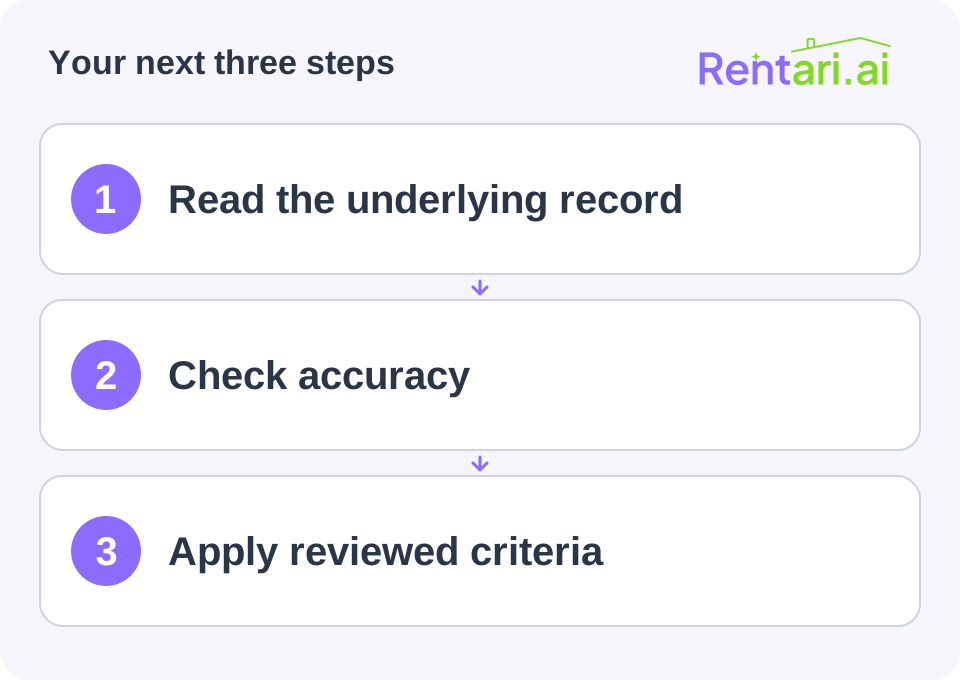
Two applicants with similar scores can have very different underlying records. A score alone cannot explain the facts, their accuracy, or which criteria your lawful process permits.
Understand the report you ordered
Identify the provider, report date, product, and included information. A thin file, a missing score, and an adverse record are different conditions. Do not describe one as another.
Check obvious identity mismatches and whether an applicant has raised a dispute. Keep the original report and record follow-up information through the provider's approved process.
Ask focused, consistent questions
Request clarification only about relevant unresolved facts. For example, ask how to verify the income source your criteria require, rather than asking about unrelated personal circumstances. Provide lawful alternative documentation paths where appropriate.
Do not invent a universal score threshold or assume a higher deposit solves every concern. Additional conditions can themselves have legal implications.
Make a documented human decision
Compare verified information with the current, locally reviewed criteria. Record the evidence and any permitted exception or accommodation through your established process.
If a consumer report contributes to an unfavorable outcome, consult the applicable notice requirements. The CFPB's report-review guidance also explains routes for disputing inaccurate information.
Use the next file to test your process: can another authorized reviewer understand why the same evidence would lead to the same next step? If not, improve the documentation before relying on the score.
Sources and further reading
Source review: September 24, 2026. Check current requirements before acting.

