

A spreadsheet can show where inquiries become attended tours and applications if everyone uses the same definitions.
Work through the checklist
Use the download to keep your record.
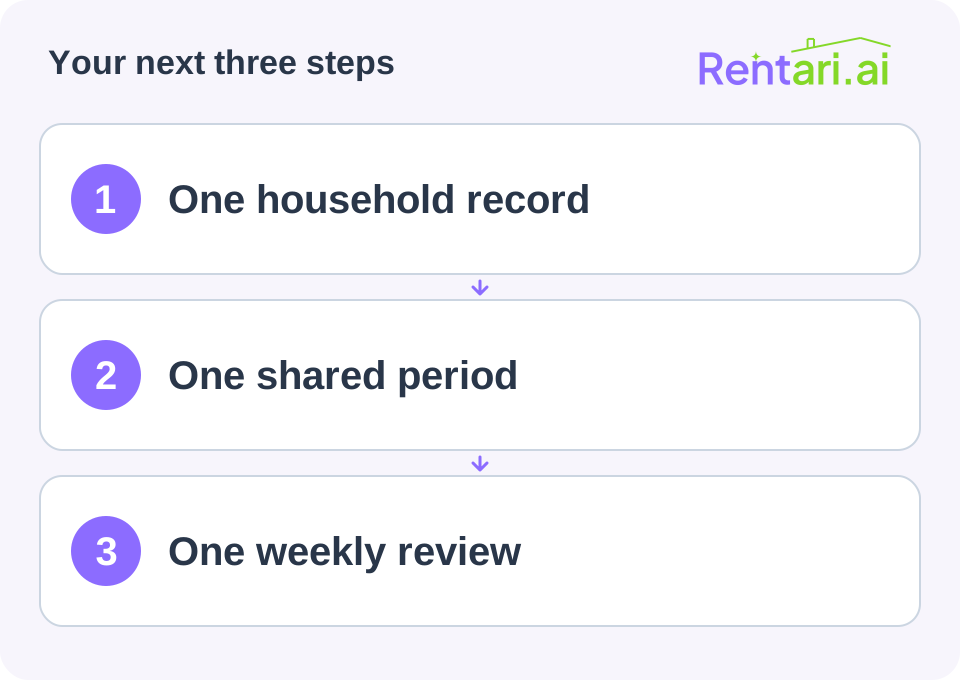
Set up the columns
Use household reference, first contact date, property and unit, source, first response date, tour booked, tour attended, application completed, and status. Record channel spend in a separate summary instead of repeating it on every inquiry.
Use dates where practical. A yes/no column cannot distinguish a future tour from one already missed. Keep application documents in their secure system.
Agree on counting rules
Keep one household record when people use multiple channels, with a note about other touchpoints. Label unavailable view counts unknown. Define a completed application clearly rather than counting a clicked link.
Compare identical date ranges. Record changes in price, photographs, availability, and response coverage because they affect interpretation.
Choose the next action
Assign one correction to the clearest operational problem. Three booked tours without attendance may justify checking directions and reminders, not assumptions about the people involved.
Archive each period's summary before changing definitions. Limit access and follow your retention policy. A marketing tracker should improve service without becoming an unnecessary second store of private applicant information.
Keep your completed record
Save the worksheet with the supporting records and restrict access to people who need it. This blank organizer does not calculate a legal, tax, insurance, or eligibility decision.

