

In this hypothetical application, the previous landlord does not answer two calls. The applicant says the property was sold. Silence creates a verification gap, not proof of a bad tenancy.
Record the attempts
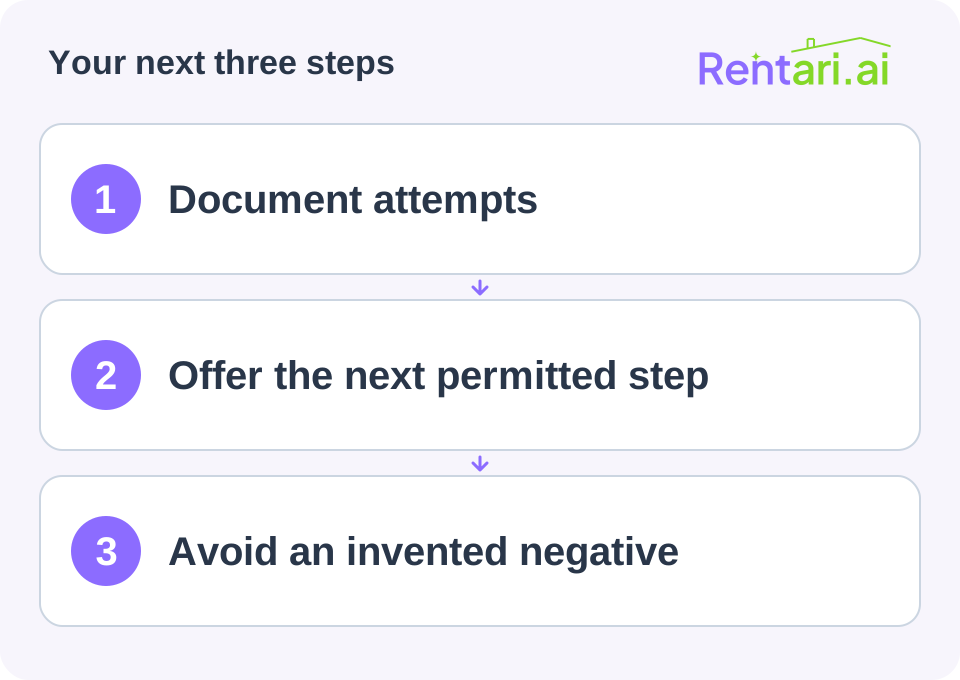
The reviewer notes the dates, contact route, and result. They check that the number was entered correctly and that the request reached the intended party.
They do not repeatedly contact unrelated people or disclose the applicant's private records in an effort to get a response.
Follow the documented alternative
The reviewer consults the locally reviewed criteria. If alternative evidence is permitted, the applicant receives a clear explanation of what can be considered and how to provide it securely.
The reviewer distinguishes a document supplied by the applicant from independent confirmation. Neither is mislabeled to make the file look complete.
Close with an accurate record
The file states reference unavailable, documents what other evidence was reviewed, and records the actual decision basis. If a consumer report contributed to an unfavorable action, required notice procedures are addressed separately.
The lesson is not that every unavailable reference should lead to the same outcome. It is that comparable gaps deserve a consistent, lawful process. Review your missing-reference workflow now, including who may approve a permitted alternative and how applicants are informed of the next step.

