

In this hypothetical example, an out-of-town landlord receives a call from a prospect who cannot enter for a scheduled viewing. The local contractor is not answering.
Handle the appointment
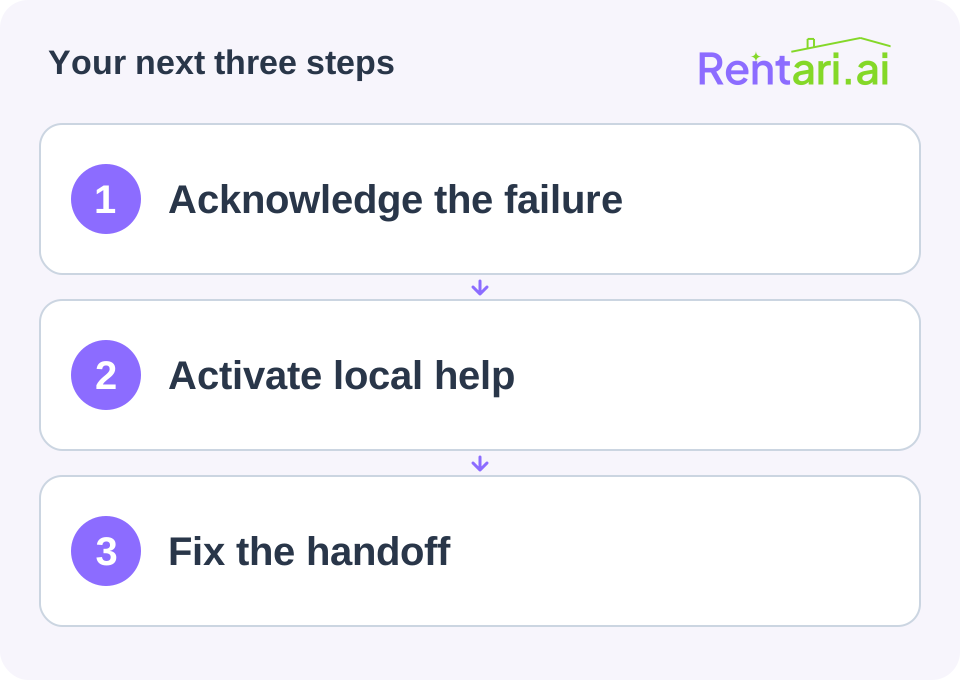
The owner acknowledges the failed visit and offers to reschedule or wait for a confirmed local representative. The visitor is not asked to force entry or improvise an unsafe route.
Record the time, property, access method, and reported failure. Screening information does not belong in this operational incident record.
Find the missing agreement
The contractor had agreed to complete a repair, not to support tours. The owner assumed availability without confirming that role. Access instructions also changed after the repair visit.
The new process names a showing contact and an alternate. It states what each may handle and separates vendor access from prospect access. Changes to instructions have an identified owner.
Test before booking again
A local representative verifies entry, the meeting point, and exit security. The next confirmation includes a reliable contact and realistic response expectations. Outdated saved replies are corrected.
The lesson is a defined backup, not a guarantee that remote management never fails. Write down who can physically help when your normal process stops. If the answer is nobody, change the viewing method before accepting another appointment.

