
Water damage can grow while people debate responsibility. A response plan should prioritize safety, qualified help, and a clear record of what happened.
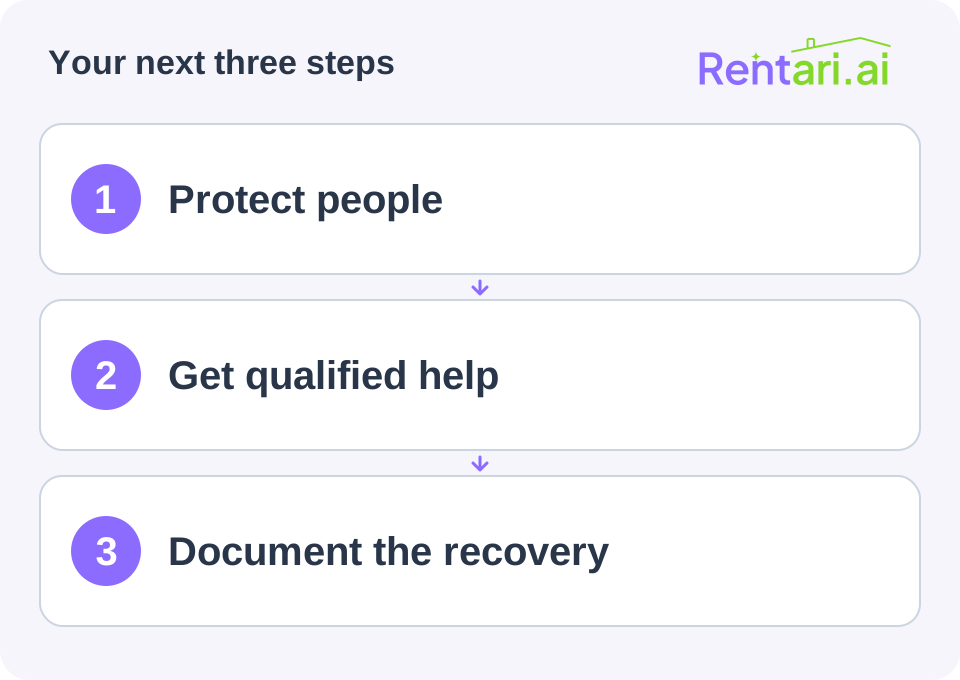
Start with immediate safety
If there is immediate danger, use emergency services and the appropriate utility or property emergency contact. Keep people away from unsafe electrical conditions, contaminated water, and unstable materials. Do not ask residents to enter a hazardous area for photographs.
Use the property's established safe-response instructions and qualified responders. Avoid improvised electrical or structural work.
Coordinate the repair and drying
Record the report time, affected rooms, known water source, and whether the flow continues. Arrange the appropriate trades and notify the insurer when required by the policy.
EPA emphasizes prompt drying of water-damaged materials to reduce mold risk. The suitable method depends on the water source, materials, extent, and safety conditions. Obtain professional assessment where needed.
Keep one recovery record
Preserve safe photographs, contractor findings, work records, moisture or drying documentation, invoices, and communications. Track remaining repairs and resident updates separately.
Do not assume an insurance claim decides tenant responsibility or that a surface looking dry proves hidden materials are ready to close.
End the incident with verified completion and a prevention review. Identify whether an inspection, component replacement, or clearer reporting route could reduce the chance of a repeat.
Sources and further reading
Source review: September 24, 2026. Check current requirements before acting.

