
Use this record after addressing immediate safety. Do not delay emergency help to complete a form.
Work through the checklist
Use the download to keep your record.
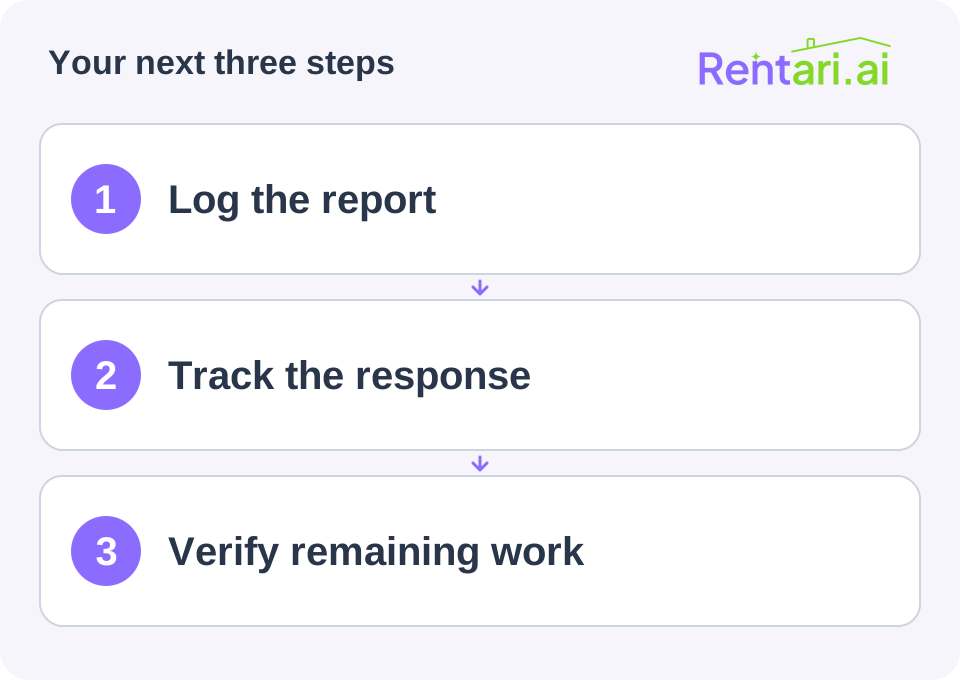
Record the initial facts
Capture report time, property and unit, affected area, reported symptoms, ongoing water flow, known hazards, and the person coordinating the response. Distinguish what was observed from what someone suspects.
Safe photographs can help, but nobody should enter a hazardous area to obtain them.
Track each response event
Record contractor contact, attendance, findings, source repair, drying work, insurer contact, and resident updates with timestamps. Use qualified professionals for electrical, structural, contamination, or other specialized concerns.
Keep policy and claim references secure. Do not promise coverage or reimbursement before the insurer's review.
Close outstanding tasks
List remaining material repairs, required assessments, invoices, and verification evidence. A plumber stopping the leak may not complete the drying or restoration work.
Record who confirms each step and when the resident will receive another update. Preserve the evidence needed for any later responsibility review.
After recovery, write one concrete prevention action, such as a reviewed inspection routine or better emergency contact instructions. The goal is a usable incident history and a verified return to normal operation, not merely a closed maintenance ticket.
Keep your completed record
Save the worksheet with the supporting records and restrict access to people who need it. This blank organizer does not calculate a legal, tax, insurance, or eligibility decision.
Sources and further reading
Source review: September 24, 2026. Check current requirements before acting.

