
In a hypothetical repair visit, a contractor reports an animal not listed in the work order. The manager considers immediately adding a pet fee.
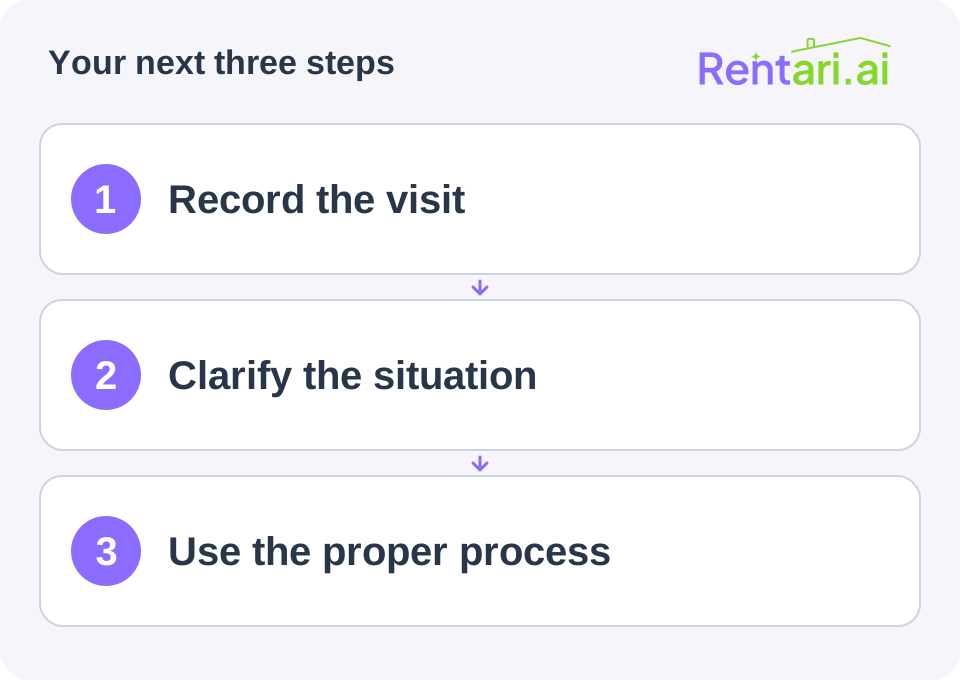
Separate the observation from the conclusion
The work record states what the contractor observed and whether it affected the visit. It does not label the animal unauthorized or decide the resident's rights.
Any immediate safety concern is handled through the appropriate response, with factual documentation.
Ask the relevant question
The manager contacts the resident through the usual channel to clarify the situation. If an accommodation request is involved, it goes to the designated reviewer using current applicable requirements.
The manager does not seek medical information through the contractor or treat a portal checkbox as a complete legal record.
Coordinate the next visit
The repair access plan is updated with relevant arrangements, while the policy question remains in its own review process. Necessary repair work is not casually abandoned because the paperwork question is unresolved.
This example does not determine whether a fee or restriction is lawful. It shows why a single observation should trigger clarification rather than automatic billing.
For your own process, give vendors a clear route to report access problems and keep policy decisions with the authorized, qualified reviewer.

