
When every issue goes into the same inbox, an urgent report can wait behind routine questions. Give residents clear, usable contact routes.
Define the categories plainly
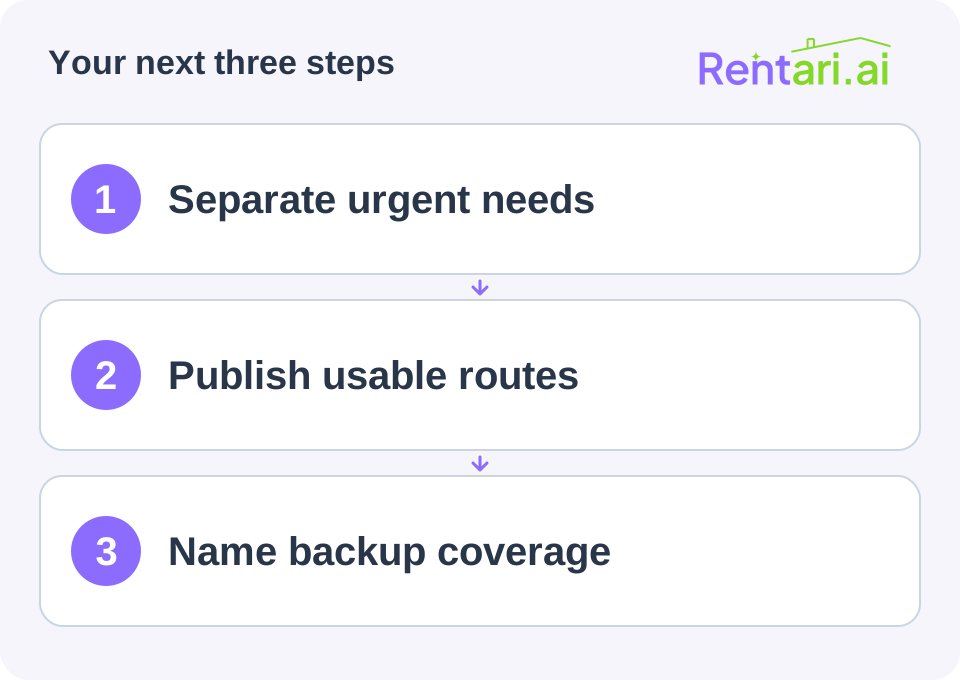
Explain that immediate danger requires the appropriate emergency service. Provide the property's emergency contact for urgent property issues and a routine route for nonurgent repairs or account questions.
Use examples relevant to the property without pretending a short list can diagnose every emergency. Avoid promising round-the-clock response unless you actually provide it.
Make each route workable
List the contact method, expected handling, and alternative if the usual method fails. Provide an accessible option for residents who cannot use the portal.
Test contact details through a safe internal process. Confirm where messages go and who sees them during absences.
Assign responsibility
Name primary and backup coverage, handoff expectations, and how an unresolved report is escalated. Keep private staff information out of public materials unless intentionally approved.
Update the instructions after a provider, number, or staffing change. Make them available at move-in and in a location residents can find later.
The goal is a dependable route, not a collection of phone numbers. Review one recent report from arrival to response and identify any point where nobody clearly owned the next step.

