

A polite rejection message and a legally required notice serve different purposes. Do not assume that one short text handles both.
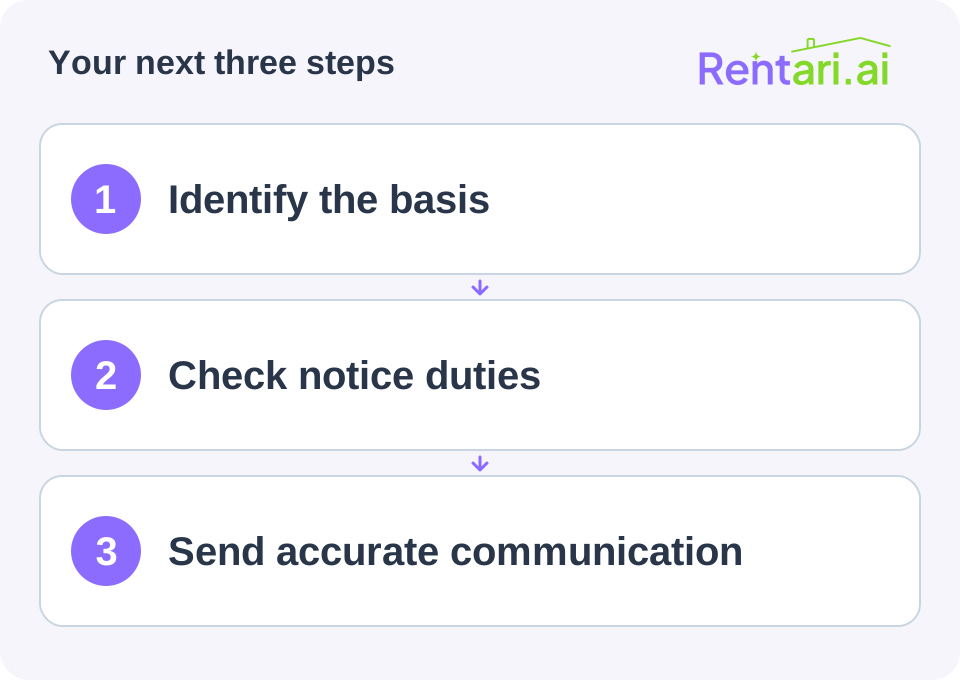
Identify what drove the outcome
Record the decision basis and whether a consumer report contributed. Keep factual criteria separate from unsupported impressions. Additional conditions, not just outright denial, can matter.
The FTC's landlord guidance describes adverse action and the notice information required when a consumer report contributes to an unfavorable decision. Review that guidance and local requirements before sending a final message.
Use the approved notice process
Work from current, reviewed forms and the actual report provider's details. Confirm the applicant, property, decision, and contact information. Do not invent a reason, hide report involvement, or substitute the screening company's recommendation for your own responsibility.
Keep proof of the communication method and date in the secure file.
Keep courtesy copy accurate
A brief cover message can explain where to find the notice and how to raise a factual question. Avoid arguments, personal judgments, and promises that a report dispute will automatically change the outcome.
If the applicant disputes information, follow the defined review path and the reporting company's dispute process. Do not assume the original data is correct merely because it appeared in a report.
Before the next decision, ensure your team knows which communication is routine and which must meet specific legal requirements.
Sources and further reading
Source review: September 24, 2026. Check current requirements before acting.

