

A report dispute deserves a clear route. The landlord should not attempt to adjudicate an entire credit file through a casual text exchange.
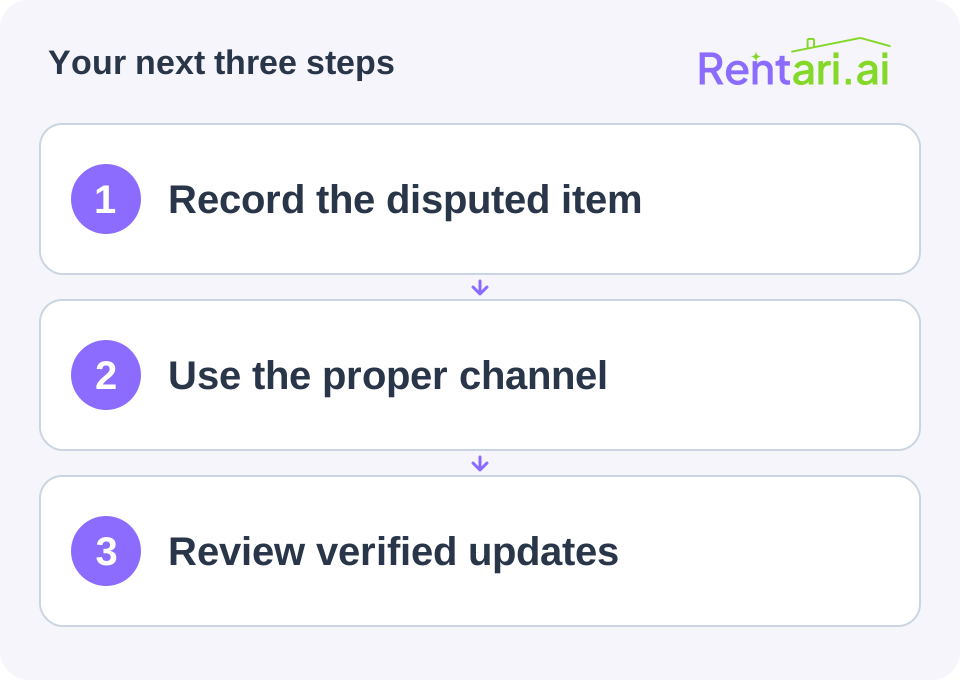
Identify the item in dispute
Record the applicant's description, the report provider, and the relevant report date in the secure file. Avoid asking the applicant to post sensitive details in an unsecured message.
Distinguish an identity mismatch, an outdated entry, and disagreement about the underlying event. These may require different evidence.
Explain the next step
The CFPB explains that people can dispute inaccurate information with the reporting company and, where relevant, the information furnisher. Provide the correct provider contact from the actual report or notice.
Follow applicable notice duties and your lawful review procedure. Do not guarantee that a dispute will be resolved within your preferred leasing timeline or that it guarantees approval.
Preserve an audit trail
Record what was received, who reviewed it, and whether an updated report or correction changed the facts. Keep the original and revised records distinguishable.
Communicate the current status factually and consistently. If you need legal guidance on timing or next steps, obtain it before making commitments.
The practical improvement is a defined dispute workflow: one owner, a secure submission route, and a documented review. That is more useful than telling applicants to contact support without identifying which organization can address the error.
Sources and further reading
Source review: September 24, 2026. Check current requirements before acting.

