

Proration is arithmetic applied to an agreement and legal context. A calculator cannot decide which dates, divisor, or charges belong in the calculation.
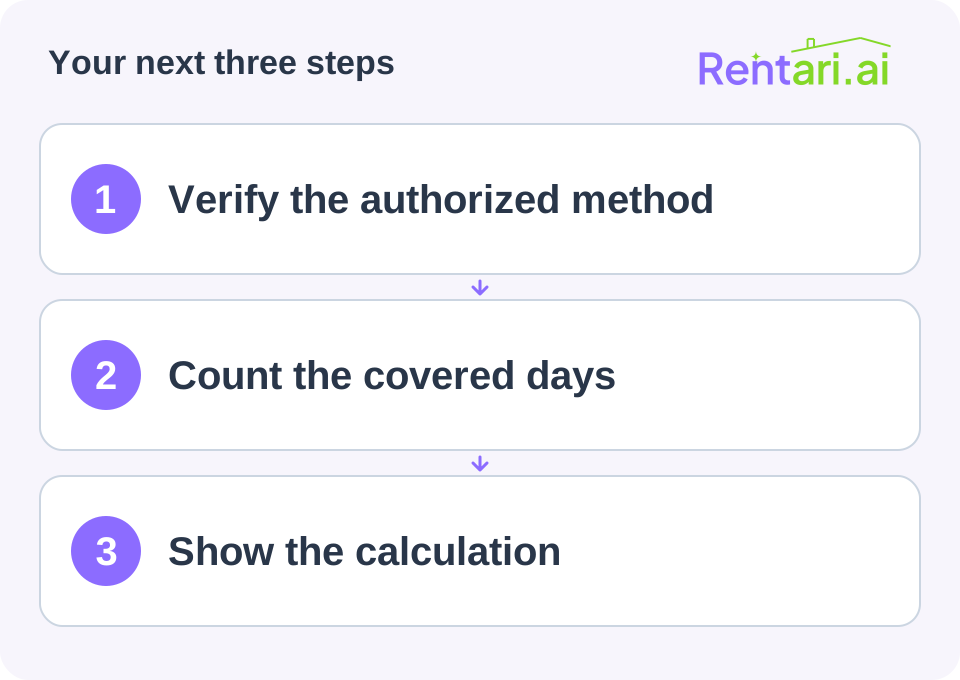
Verify the inputs first
Confirm why proration is being used, the approved method, relevant dates, whether endpoints are included, covered charges, and rounding. Check the agreement and applicable requirements before choosing a method.
Do not switch between calendar-day and fixed-day methods merely because one produces a preferred result.
Write the calculation clearly
Under a hypothetical agreed 30-day method, $1,500 divided by 30 equals $50 per day. Ten included days produce $500. This example demonstrates arithmetic only; it does not prescribe a lawful method for a particular tenancy.
Under a calendar-month method, the divisor depends on the relevant month. The difference should be visible rather than hidden in a manual adjustment.
Reconcile the result
Record the authorized period, calculation, credits or payments already applied, and resulting balance. Make sure the next regular charge does not duplicate days already included.
Have another person check the inputs and arithmetic before issuing the statement. Retain the basis with the ledger entry.
Your goal is an amount both parties can trace, with a clear distinction between the approved method and the mathematical result.

