
A request for a new fixture can describe a broken essential item, a recurring installation fault, or an optional preference. Identify the condition before deciding who should pay.
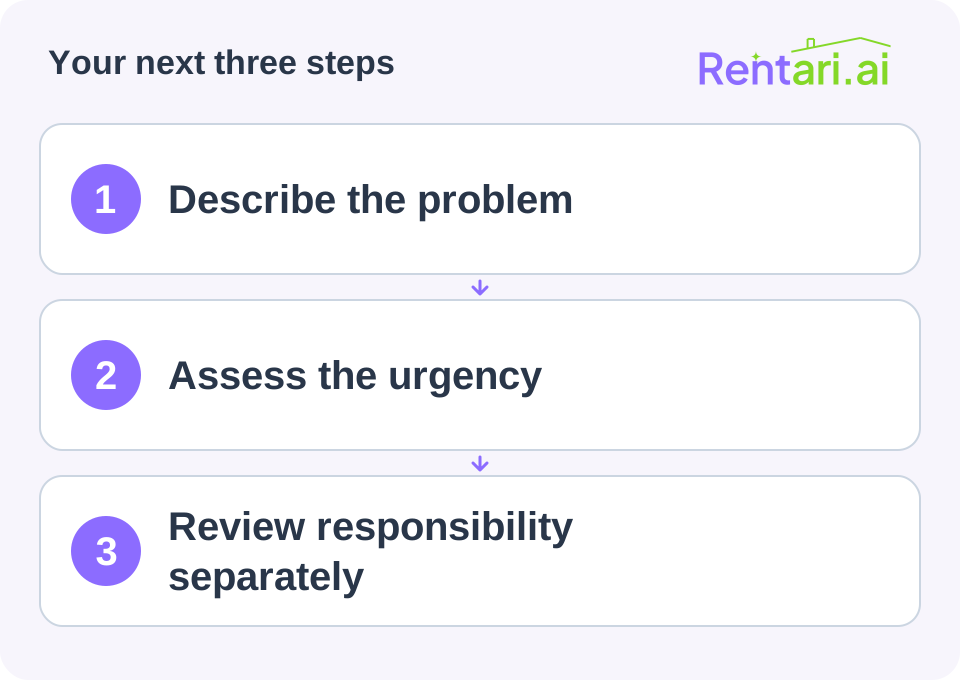
Ask what is happening
Record the item, location, symptoms, when the issue began, and whether it affects safe use of the home. Ask for photographs only where they can be taken safely and without unnecessary personal information.
Do not require a resident to diagnose wiring, dismantle equipment, or perform risky tests.
Arrange the appropriate assessment
Route urgent conditions through the emergency process and use qualified professionals where needed. A contractor's diagnosis should distinguish the observed defect, likely cause, recommended work, and limits of certainty.
Separate necessary restoration from a proposed enhancement. A repair request should not stall merely because an upgrade discussion is unresolved.
Review cost responsibility with evidence
Check the agreement, local requirements, installation history, warranty, and documented cause. Do not infer tenant responsibility solely because the problem occurred during the tenancy.
If an optional improvement is approved, document scope, cost, installer, ownership, permits, and what happens at move-out before work starts.
Close the repair with completion evidence and a resident update. Your maintenance log should explain the condition and response, while any charge decision has its own reviewed basis.

