

A hypothetical landlord reports that a listing is missing from a partner site. Support closes the ticket after confirming it is published in the source dashboard, but the public destination still lacks the listing.
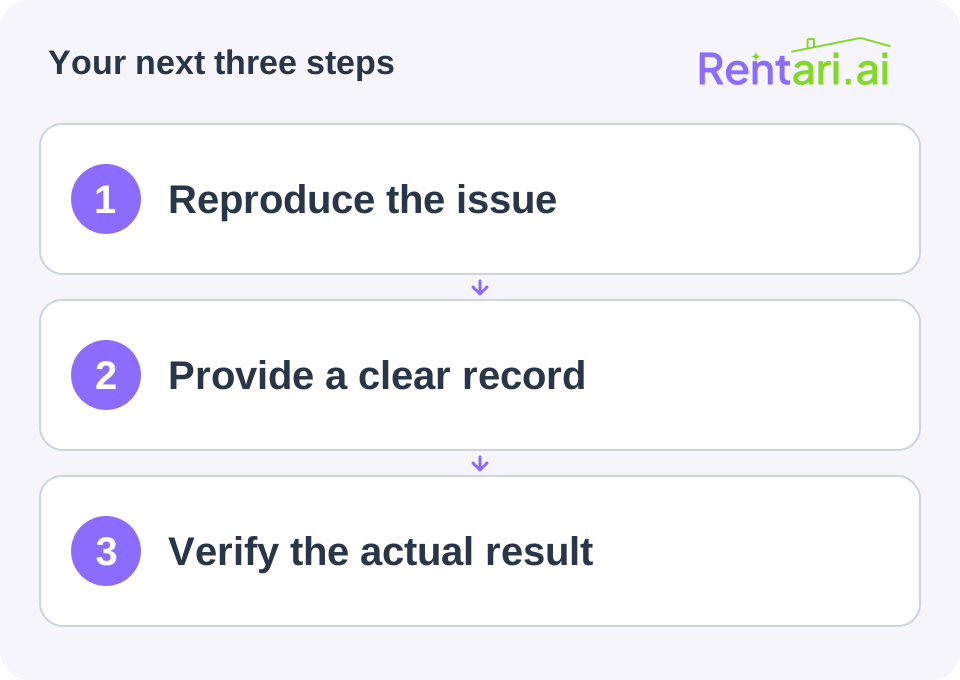
Separate the two outcomes
The owner records the source status and destination observation independently. Published upstream does not prove visible downstream.
They save the relevant URLs, property reference, time checked, and a screenshot with private account details removed.
Reopen with a precise request
The follow-up states the expected result, actual result, steps already taken, and the missing confirmation. It asks whether the destination accepted the latest transmission and whether further owner action is required.
The owner avoids opening multiple unrelated tickets that split the history.
Verify the resolution
After support reports a correction, the owner checks the actual public listing and records the outcome. If the problem persists, the same case gets the new evidence.
The lesson applies beyond listings: a ticket status and a working user task are different things.
For your next support request, include one clear success condition. That helps both sides know when the issue is resolved rather than merely when a message has been answered.

