
In this hypothetical incident, a plumber repairs a supply line. The owner marks the request complete, but the resident reports damp flooring the next day.
Recognize the unfinished work
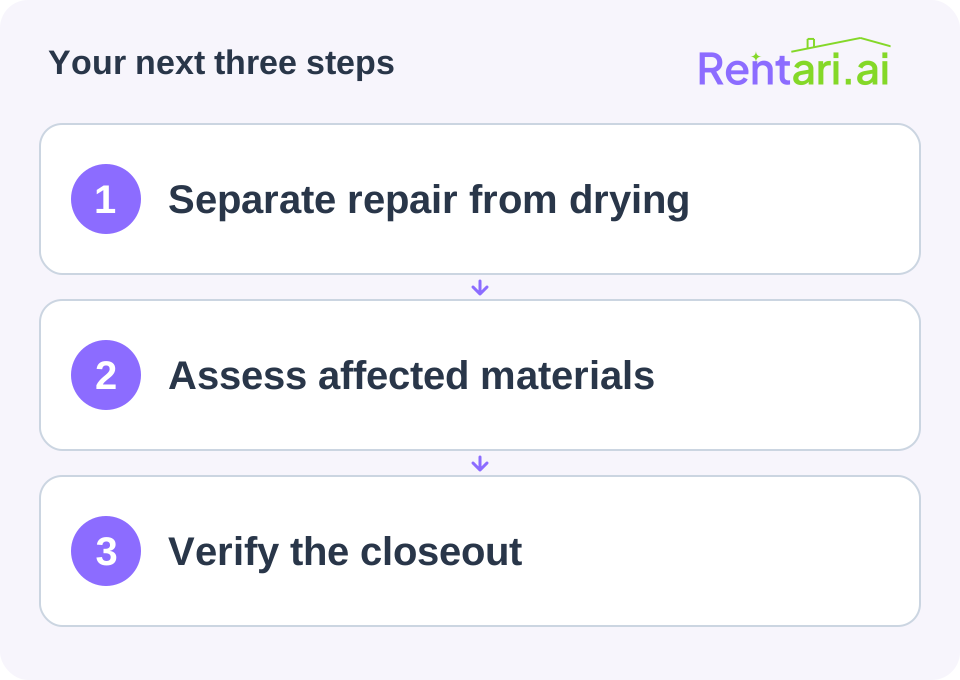
Stopping the water source and assessing affected materials are separate tasks. The owner reopens coordination and obtains an appropriate drying and damage assessment.
The resident is not told to ignore the issue because the plumbing invoice says completed.
Follow the assessment
The responsible professionals identify the affected materials, appropriate response, and verification needed. EPA's moisture guidance explains why prompt, thorough attention matters after water damage.
The owner coordinates insurer requirements where applicable and avoids covering affected materials before appropriate assessment and drying.
Improve the incident checklist
The revised record separates source repaired, drying assessed, restoration completed, and final verification. Each task has an owner and evidence.
The resident receives a clear explanation of the remaining work and contact route for changes in conditions.
This example does not diagnose mold or prescribe a cleanup method. It shows why a single completed label can conceal a second phase of work. At your next leak, ask both what stopped the water and what establishes that the affected area is ready for normal use.
Sources and further reading
Source review: September 24, 2026. Check current requirements before acting.

