

Imagine a household messages through a portal on Monday and your website on Tuesday. Another household calls after seeing a sign. Three contacts represent two households.
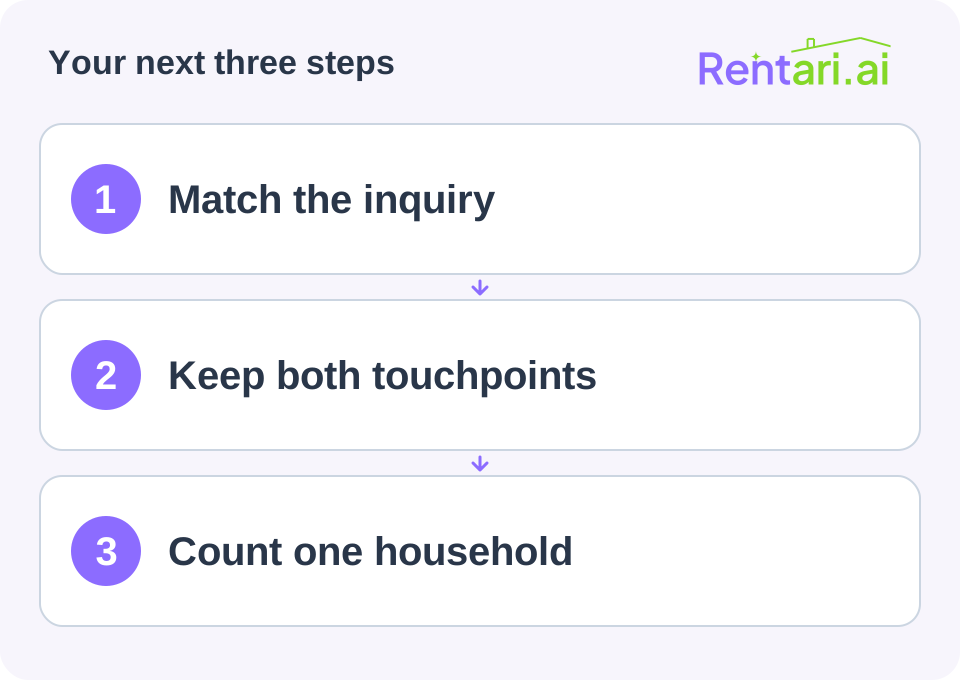
Keep the distinction visible
The owner records two household references and three contact events. The first household keeps the portal as its first known source and the website as a later touchpoint. Neither record disappears to make the report look cleaner.
Match using information already provided for the inquiry. Do not purchase unrelated personal data to resolve a marketing count. Leave uncertain matches for review.
Count outcomes consistently
The first household attends one tour and completes one application. Count one of each in the property total. Giving both channels a full application and summing them would falsely produce two applications.
An assisted-source report can acknowledge both touchpoints, but its totals need a different label from unique-household totals. Otherwise the team may believe demand doubled.
Fix measurement before changing spend
This tiny example cannot establish which channel deserves the advertising budget. It reveals a counting problem. Correct that method and collect more comparable periods.
At the next review, show contact events and unique households side by side. Explain the difference. Accurate small numbers are more useful than inflated activity, especially when deciding whether to pay for another listing upgrade.

