

A hypothetical tenant reports that a recently installed bathroom fixture has failed. The owner initially suspects misuse because the tenancy began only a month earlier.
Address the repair need
The owner assesses urgency and arranges an appropriate inspection. The resident is not asked to make unsafe repairs or accept a charge as a condition of reporting the problem.
The work order records symptoms and installation date without labeling the resident responsible.
Review the findings
The contractor identifies a loose installation component. The owner compares that finding with the earlier invoice and warranty. The file now contains evidence of a possible installation issue rather than only an assumption about use.
If the cause remains uncertain, the record says so. A repair invoice alone does not establish who legally owes it.
Separate the decisions
The repair is completed and verified. Any charge or warranty claim is reviewed using the agreement, applicable rules, and actual evidence.
The owner updates the vendor closeout process to capture installation details and warranty contacts for future work.
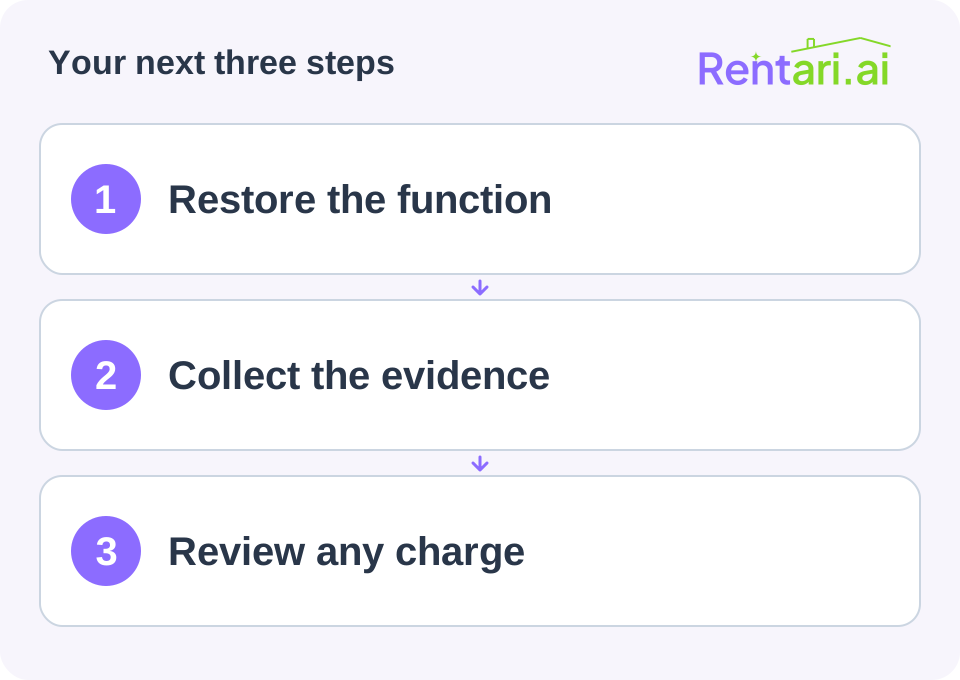
This scenario does not determine responsibility for every broken fixture. Its lesson is to restore necessary function, document the cause, and review liability separately. That sequence is more reliable than assigning a bill based on timing alone.

