

In this hypothetical example, a landlord sends an applicant a message saying the home is theirs, then discovers an unresolved screening issue. A second casual message cannot safely untangle every possible commitment.
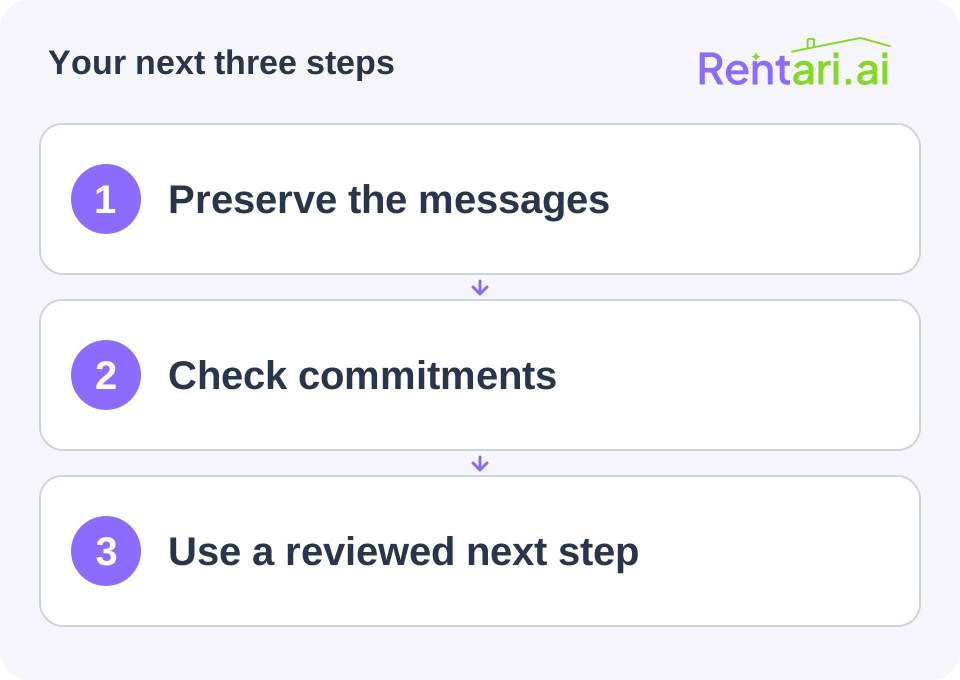
Preserve what happened
Save the exact offer, conditions, timestamps, accepted terms, signed documents, and money received. Distinguish a preliminary conversation from an executed agreement without assuming that the label settles its legal effect.
Do not delete the earlier message or rewrite the file to make the sequence look simpler.
Get the decision reviewed
Before withdrawing or changing the offer, obtain qualified local advice on existing commitments, required notices, and handling any funds. If a consumer report influenced the proposed change, review the associated obligations.
Avoid promising a refund amount or deadline until the applicable requirements and transaction facts are confirmed.
Repair the process
For future files, use reviewed language that accurately describes the stage of the application. Name the person authorized to make an offer and prevent different team members from sending conflicting approvals.
The example does not establish whether a particular offer can be withdrawn. Its practical lesson is to preserve the record and review consequences before taking another consequential step. A precise process earlier in the application is easier to manage than an improvised correction after a commitment.
Sources and further reading
Source review: September 24, 2026. Check current requirements before acting.

