

Suppose a hypothetical resident has a verified $900 outstanding balance and says they will pay $300 on Friday. The message changes the communication log, not the amount received.
Keep the two records separate
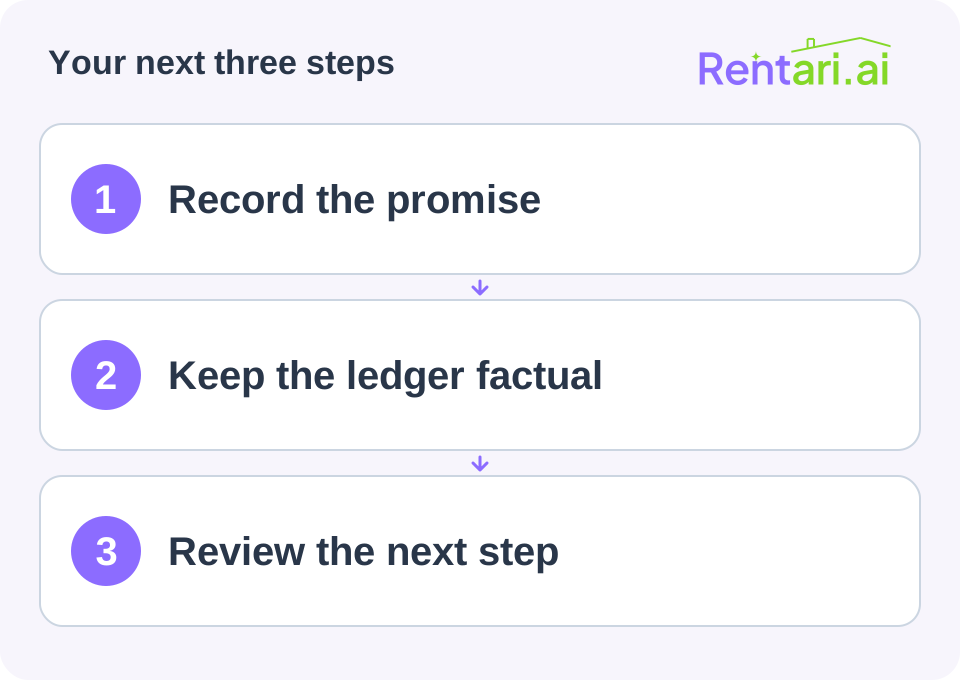
The owner records the proposed date and amount in the communication log. The ledger continues to show the verified charges and actual receipts. It does not contain a fictional $300 credit.
Any payment arrangement is reviewed for its legal and operational implications before the owner accepts or promises terms.
Update when an event occurs
If $300 is received and properly allocated, the recorded balance becomes $600, assuming no other valid changes. If the payment is merely initiated, its processing status remains visible until the system establishes the next state.
If it returns, record the reversal and investigate the reason instead of deleting the original transaction.
Respond to the actual situation
The next message references the current verified balance and any agreed arrangement. If the promise is missed, the owner follows the reviewed local process rather than inventing a penalty or threatening public exposure.
Before collections or reporting, the file should include the full transaction history and disputes. This teaching example illustrates accurate bookkeeping; it does not establish a legal deadline or a universal escalation sequence.
Sources and further reading
Source review: September 24, 2026. Check current requirements before acting.

