
In this hypothetical example, a resident reports an urgent property issue through a routine inbox on Saturday. The owner reads it on Monday because the channel has no weekend coverage.
Address the current situation
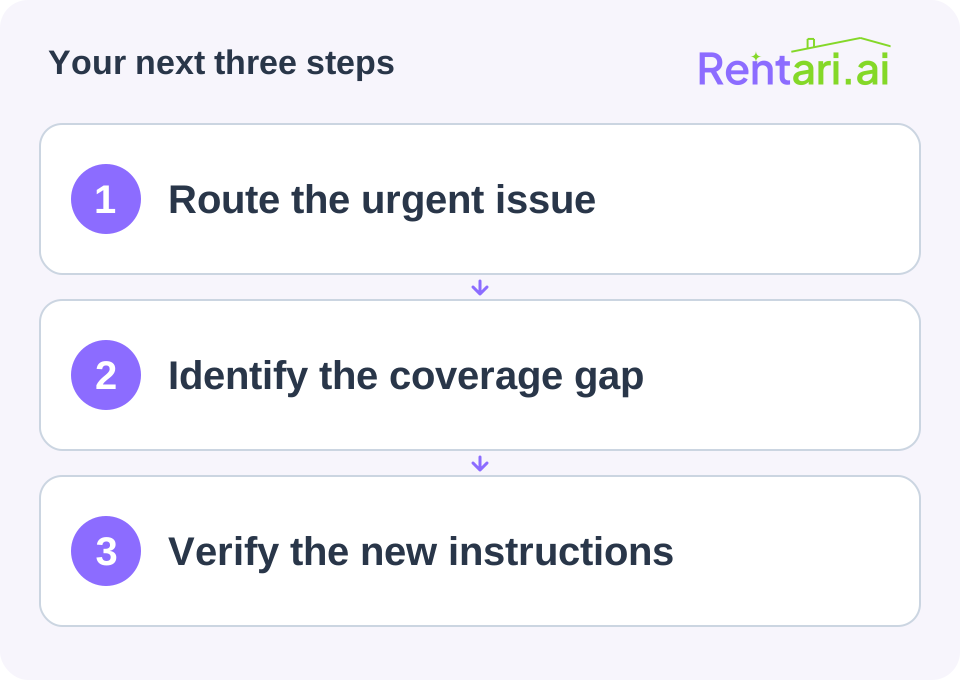
The owner first checks immediate safety and uses the appropriate emergency or qualified property response. They do not spend the first conversation arguing about which button the resident should have used.
The report time and response history are preserved accurately.
Find the process failure
The welcome guide listed only one contact route and did not explain its hours. Staff assumed residents knew the emergency number from an earlier conversation.
The owner publishes clear urgent and routine channels, assigns backup coverage, and checks that the instructions are accessible without the portal.
Confirm the handoff works
Staff walk through a nonemergency test of message routing and responsibility. They verify who receives an after-hours escalation and how the next person is notified.
The example does not promise instant response to every event. It shows why coverage must match the instructions you give.
Review your own materials today: if a resident follows them exactly outside office hours, will the message reach someone able to take the appropriate next step?

