

A landlord may receive a report of threatening or disruptive conduct. The response should focus on immediate safety and observable events, not speculation about a person's health.
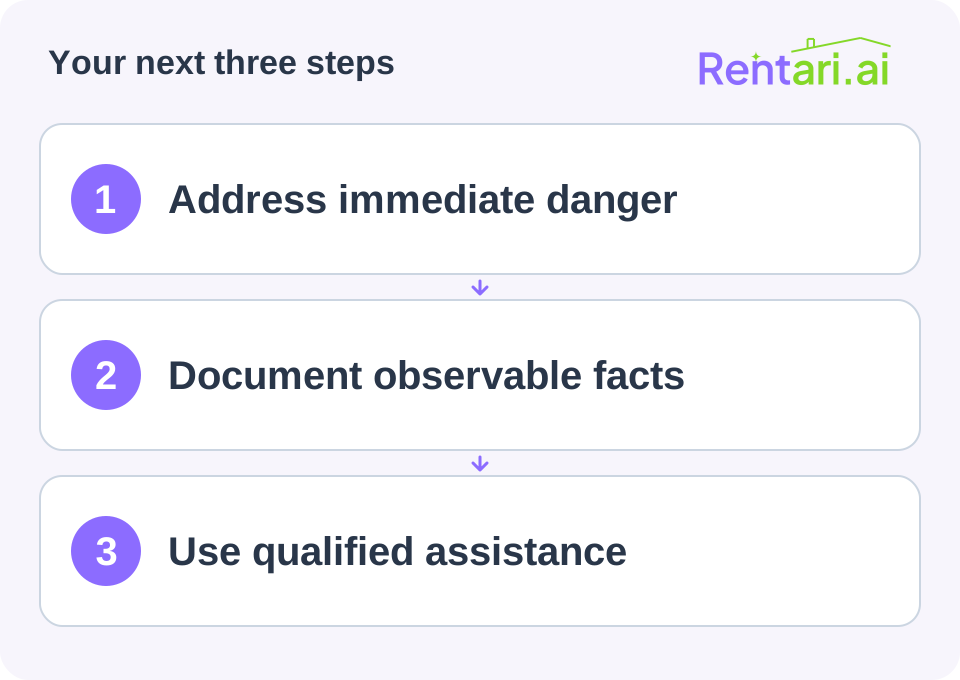
Use the appropriate urgent route
If there is immediate danger, contact emergency services. Do not send a neighbor or untrained staff member to confront the person. Follow the property's established emergency procedures.
For nonurgent matters, identify the appropriate local professional or service rather than improvising a crisis response.
Keep the record factual
Record what was said or done, when, where, who observed it, and what action followed. Clearly distinguish an allegation from a verified observation.
Avoid diagnostic labels, rumors, and unrelated personal information. Store sensitive material securely and limit sharing to those with a legitimate role.
Review tenancy decisions separately
Any notice, access action, or tenancy consequence requires review of the agreement, applicable law, evidence, and relevant protections. A health assumption should not substitute for that process.
Use qualified legal or other professional guidance for the specific circumstances. Do not threaten an informal eviction or publish accusations.
Prepare the contact and escalation plan before an incident. Clear roles and a factual record can support a more appropriate response without pretending the landlord is qualified to diagnose or treat anyone.

