
Keep an emergency contact sheet accessible to residents and authorized staff. Separate the resident-facing instructions from confidential access and account details.
Work through the checklist
Use the download to keep your record.
Put immediate safety first
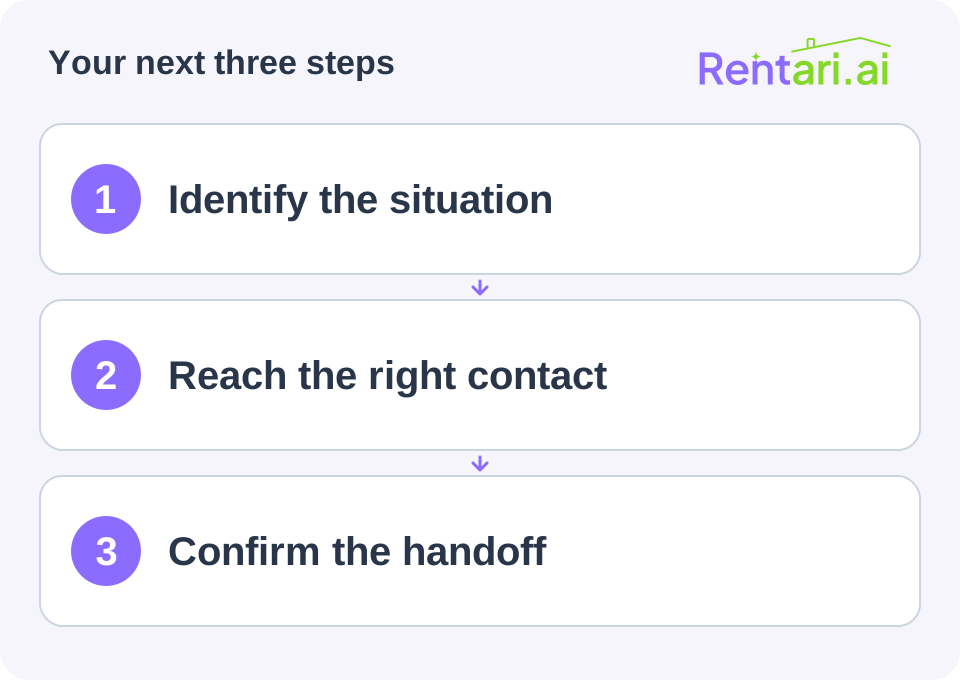
State that immediate danger requires the appropriate emergency service. Add the property emergency contact and a fallback route if that contact cannot be reached.
Use plain language and a format residents can access without signing into an unavailable portal.
List agreed operational contacts
Record primary and backup property responders, relevant utility emergency contacts, qualified vendors, and insurer reporting contacts where appropriate. Confirm each number and the person's actual role.
Include availability and limitations. Do not advertise 24-hour coverage unless it exists.
Define the internal handoff
For staff, record who may authorize work, who communicates with residents, who contacts the insurer, and where the incident record is kept. Restrict sensitive keys, codes, and policy details.
Review the sheet after staffing, vendor, or phone changes. Test contacts through a safe internal process rather than calling emergency lines for a drill.
The completion check is practical: can the recipient tell whom to contact now and what to do if that route fails? Remove obsolete or ambiguous entries before distributing the sheet.
Keep your completed record
Save the worksheet with the supporting records and restrict access to people who need it. This blank organizer does not calculate a legal, tax, insurance, or eligibility decision.

