
Remote management needs someone who can act locally when a door fails, water escapes, or a vendor needs access. A contact list is only useful when the people on it have agreed to their roles.
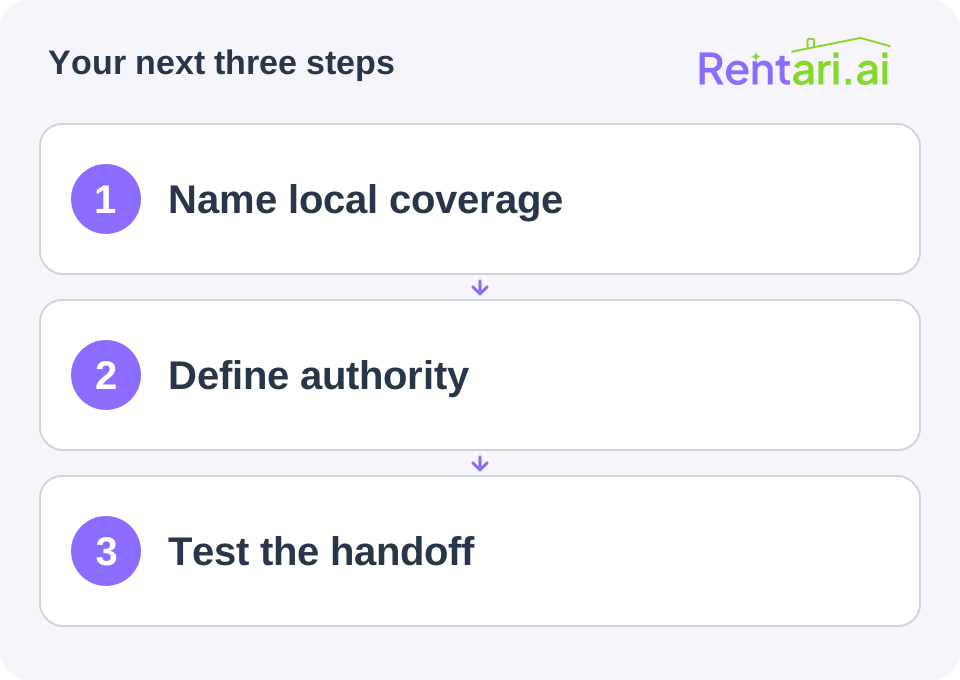
Identify the required coverage
List the situations requiring a physical response and appropriate qualified help. Distinguish immediate emergencies, urgent property issues, and routine work. Immediate danger should go to the appropriate emergency service.
Name primary and backup contacts with current details and realistic availability.
Define what each person may do
Document access arrangements, spending authority, approved vendor routes, communication expectations, and when further approval is required. Follow local requirements and contractual limits.
Do not assume that a cleaner or repair contractor is an on-call manager merely because they have keys.
Test a normal handoff
Walk through a nonemergency example: a vendor is delayed and the resident needs an update. Confirm who receives the message, changes the appointment, and documents the result.
Keep sensitive access information restricted and update it when roles change. Give residents usable contact instructions without disclosing unnecessary personal details.
Review the plan after an actual incident or staffing change. The goal is a response chain that works when you are unavailable, with no unexplained gap between someone reporting an issue and someone owning the next step.

