

Two insurance quotes can have similar titles and very different terms. Compare the property and coverage assumptions before choosing by annual price.
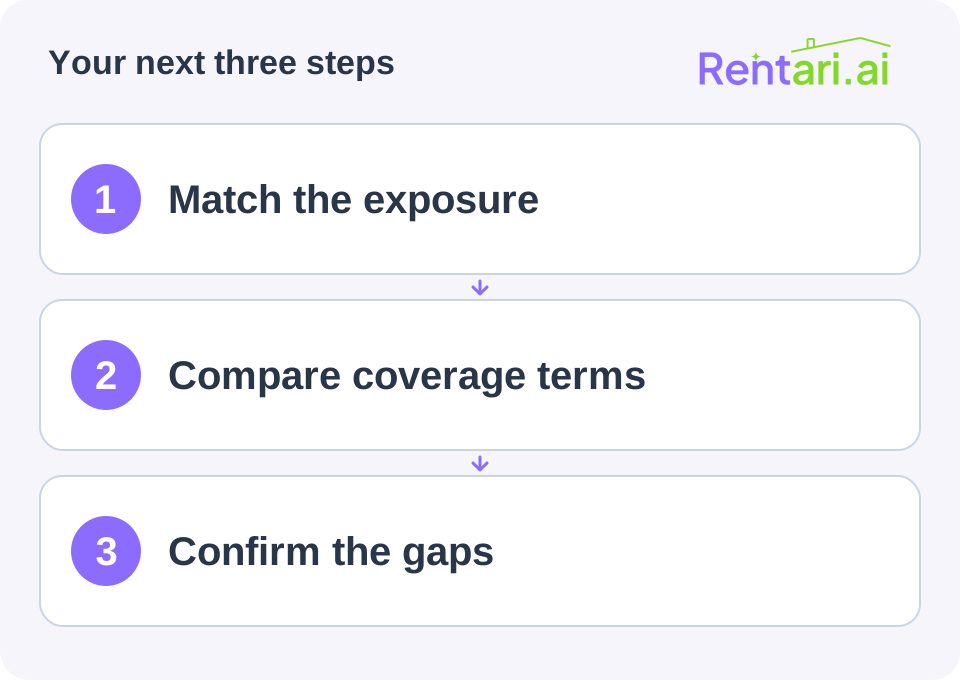
Describe the actual property use
Confirm occupancy, rental arrangement, building details, known changes, and relevant activities with the insurer or licensed agent. Do not assume a standard homeowners policy fits every rental use.
NAIC notes that rental and other property arrangements can have specific insurance needs. Ask the appropriate professional about your actual exposure.
Compare like with like
Record limits, deductibles, valuation basis, covered causes, exclusions, endorsements, loss-of-rent terms, liability provisions, and important conditions. Ask how vacancy, renovations, water events, or other relevant situations are treated.
Mark unanswered questions explicitly. A lower premium is not a complete comparison when one quote excludes an important exposure.
Keep the answer in writing
Request clarification tied to the actual policy wording. Confirm the effective date, payment terms, cancellation conditions, and any inspection or improvement requirements.
Do not cancel existing coverage before replacement arrangements are properly confirmed.
Store the policy, endorsements, agent contact, and renewal review date. Revisit coverage when the property's use or condition changes. The outcome should be a documented decision based on terms, not a promise that a particular claim will be paid.
Sources and further reading
Source review: September 24, 2026. Check current requirements before acting.

