

An insurer's inspection letter can contain deadlines, photographs, or requested improvements. Convert it into specific tasks instead of assuming a general repair ticket will satisfy it.
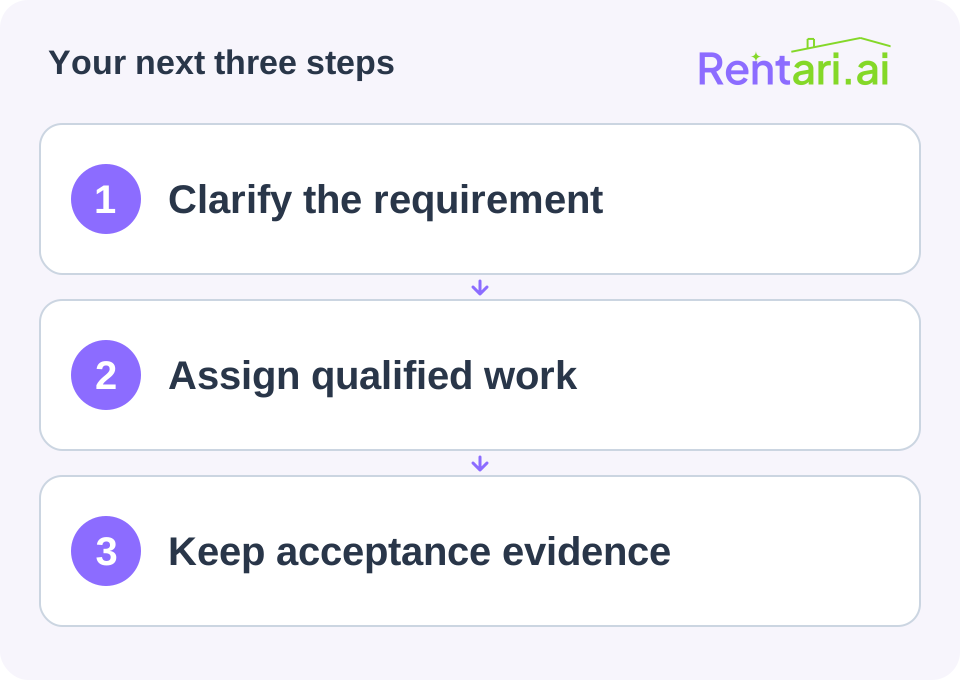
Read the actual request
Record the policy reference, issue date, requested work or evidence, response deadline, and contact for questions. Distinguish an insurer requirement from a contractor recommendation or a separate code obligation.
Ask the insurer or licensed agent to clarify uncertain wording and any effect on coverage.
Define the work
Use qualified professionals where needed. Confirm scope, permits or inspections where applicable, lawful access, schedule, and resident communication. Do not treat the letter as authorization to perform unsafe work yourself.
If the timeline cannot be met, communicate promptly through the insurer's process rather than assuming an extension.
Submit and retain the result
Provide the requested evidence securely and keep submission confirmation. Ask whether further action is needed. A paid invoice does not automatically establish the insurer accepted the correction.
Retain the acceptance or remaining requirements with the policy record. Track code or permit closeout separately when relevant.
At renewal, use the work history to explain what changed. A clear record is useful; it is not a guarantee of a particular premium or continued coverage.
Sources and further reading
Source review: September 24, 2026. Check current requirements before acting.

