

An alternative payment method needs a defined receipt and reconciliation process. Otherwise a tenant can pay correctly while the account still appears overdue.
Confirm what you can support
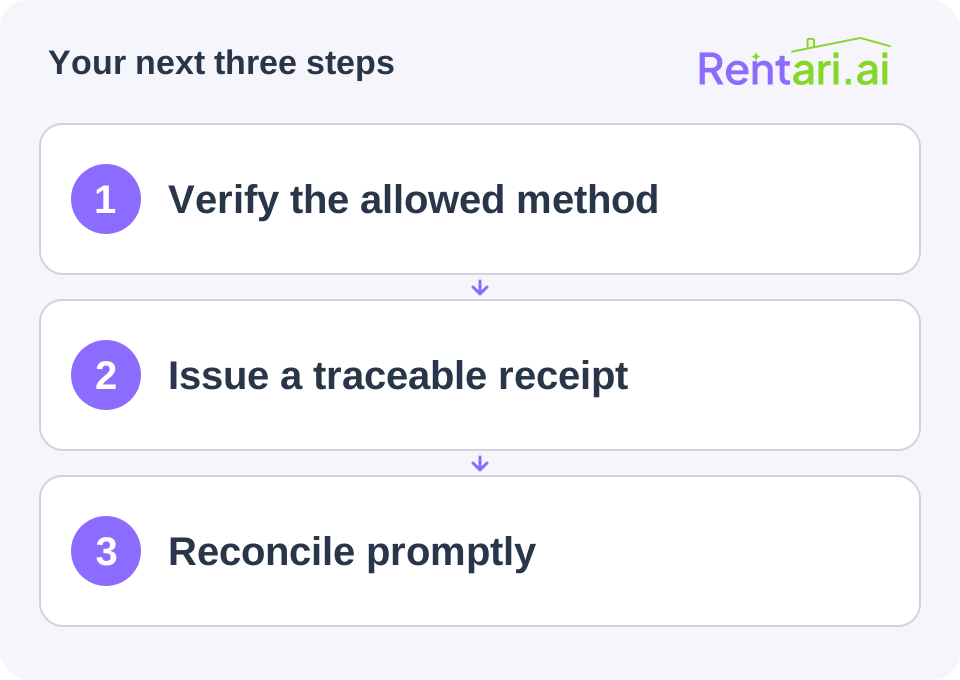
Check the agreement, applicable rules, provider options, fees, and operational security. Explain the accepted method, location or delivery route, payment reference, and confirmation process.
Do not tell residents to send funds to an unverified personal account or disclose banking credentials to staff.
Make receipt handling explicit
Record date, amount, payer reference, property and unit, method, and the person or system receiving it. Provide the required receipt through a usable channel. Separate receipt of an instrument from final clearance where relevant.
Restrict access to payment details and establish who can receive funds. Avoid storing unnecessary copies of sensitive financial information.
Connect the record to the ledger
Enter the transaction using the approved workflow and reconcile it with the bank or provider record. Investigate delays without creating duplicate charges.
Arrange backup coverage when the usual recipient is unavailable. Publish a clear contact for a missing receipt.
The best alternative is one the resident can use and your team can administer accurately. Review the first transaction from instruction to receipt to reconciliation before treating the process as established.

