

Two payments in a month can be easy to misread if the schedule and ledger use different assumptions. Separate what is due from how a payment is delivered.
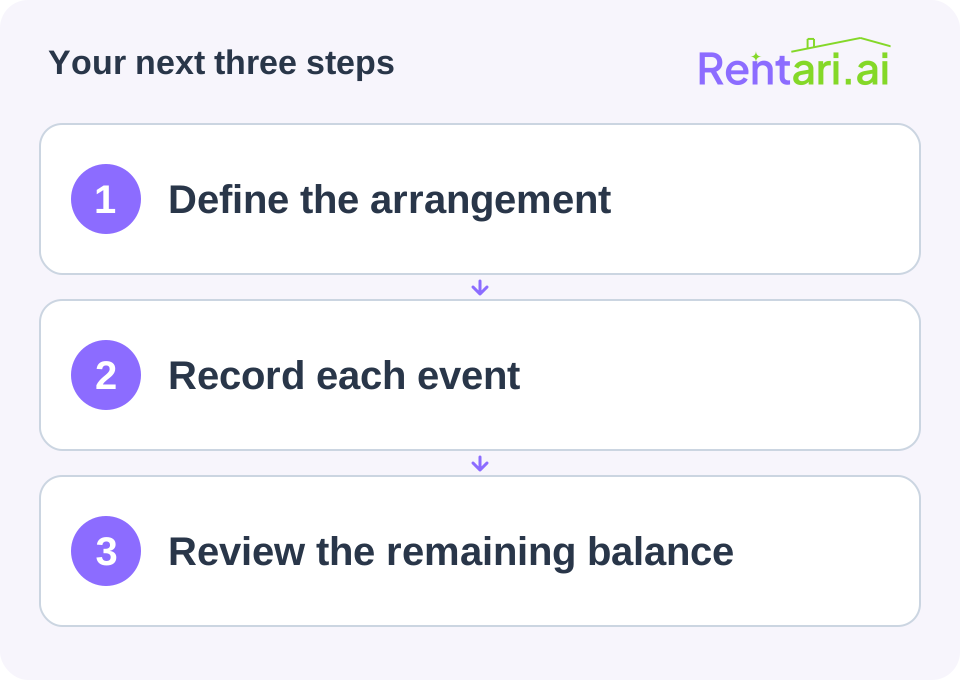
Clarify the requested change
Record the current agreement, proposed amounts and dates, effective period, and whether the request changes a due date or only describes expected partial payments. Have any amendment or arrangement reviewed for local requirements and consequences.
Do not assume that accepting one partial payment automatically creates your preferred future schedule.
Keep charges and receipts distinct
Enter charges according to the applicable agreement and record actual receipts when they occur. Use the approved allocation method. Keep fees, credits, and payment returns identifiable.
For a hypothetical $1,200 monthly obligation, two received $600 payments total $1,200 before other valid adjustments. The arithmetic does not decide when the obligation was legally due.
Confirm what the system will do
Review scheduled reminders, autopay, fees, and statements so they reflect the approved arrangement. Verify changes with the provider rather than assuming an edited note changes the automation.
Provide a clear summary through the required communication process. Retain the prior agreement and effective dates.
Review the account after the first cycle. A good schedule should let both parties see what was due, what arrived, and what remains without relying on a private conversation the rest of the team cannot find.

