

Guarantor, co-signer, and additional tenant are not interchangeable labels. What matters is the actual agreement and applicable law.
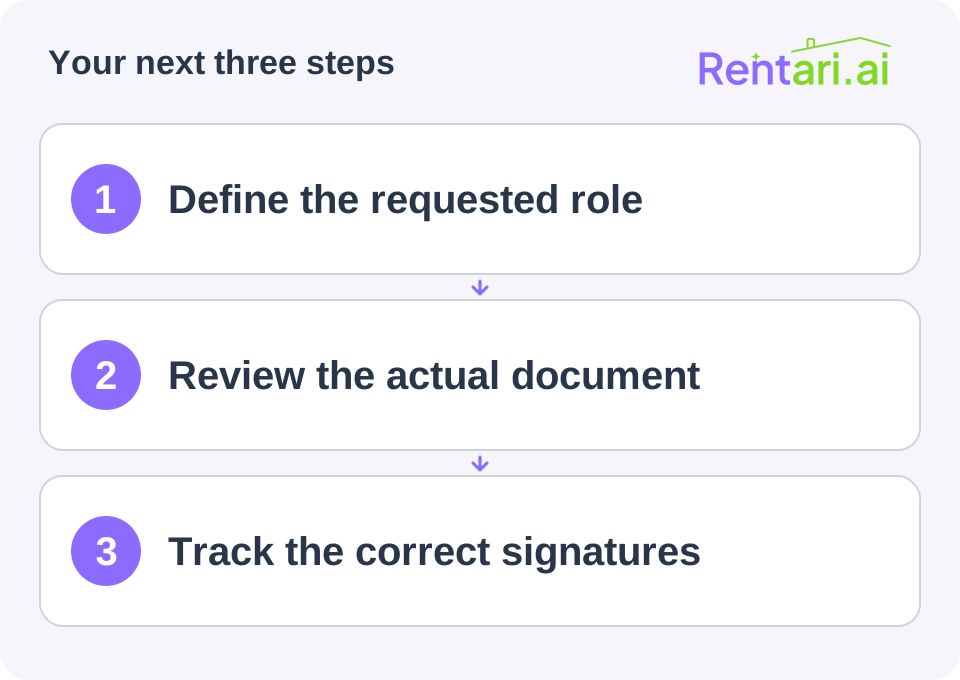
Describe the arrangement precisely
Identify who will occupy the property, who is being asked to guarantee obligations, and which lease the document references. Check names, address and unit, term dates, and document versions.
Do not add a person as a tenant in software simply because the system offers no obvious guarantor label.
Get the terms reviewed
Ask a qualified local professional about scope, duration, covered obligations, required signatures, renewal effects, and any limits on requesting a guarantor. Review the application decision process if the condition follows screening.
Explain the document to the proposed signer without minimizing its significance. Avoid promises that it is only a formality.
Complete and retain the right record
Use the correct signer identity and delivery route. Confirm completion of the actual guaranty, not just an application or contact form. Provide copies through the required process and retain the executed version.
At renewal or amendment, check whether additional steps are needed rather than assuming the original document automatically covers every change.
The practical outcome is a document map connecting the lease, guarantee, parties, and effective dates. That is more useful than relying on a checkbox labeled co-signer.

