

A document matrix can reveal missing signatures and confusing roles before they turn into a tenancy dispute. Keep private details in the secure file and use references in shared trackers.
Work through the checklist
Use the download to keep your record.
Build one row per relationship
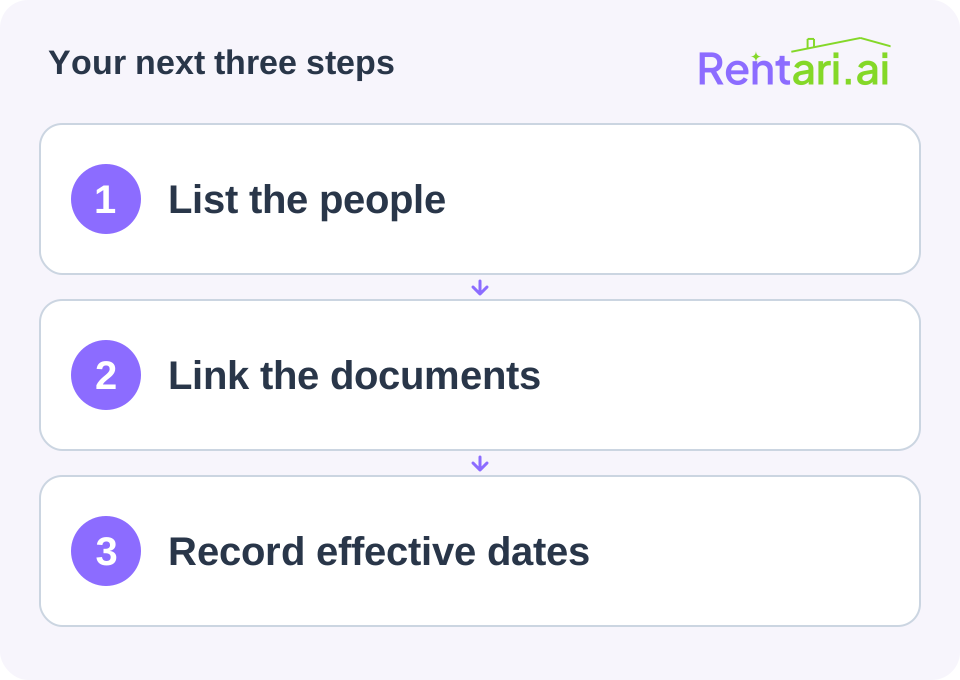
List each occupant or proposed guarantor, their role, the document establishing that role, covered property and unit, and effective dates. Record whether the document is draft, sent, signed, superseded, or awaiting review.
Do not treat a contact record as evidence of a signed agreement.
Add the change questions
For a departure, replacement, renewal, or amendment, record what is requested and which existing documents may be affected. Include a review field for consent, release, deposit handling, and any guaranty changes.
Those are questions to resolve with qualified local guidance, not assumptions the spreadsheet can decide.
Reconcile the operational records
After the reviewed documents are completed, check occupancy, payment responsibilities, communication access, keys, and emergency contacts. Record the effective date rather than replacing history with today's information.
Keep the matrix current when someone leaves. Restrict access to the people managing the tenancy, and do not share one person's application material with roommates.
Before closing a change request, another authorized reviewer should be able to identify who holds each role and which signed document supports it.
Keep your completed record
Save the worksheet with the supporting records and restrict access to people who need it. This blank organizer does not calculate a legal, tax, insurance, or eligibility decision.

