

A single bank deposit can contain several rent payments minus fees or adjustments. Reconciliation connects the deposit to its parts without rewriting the rent history.
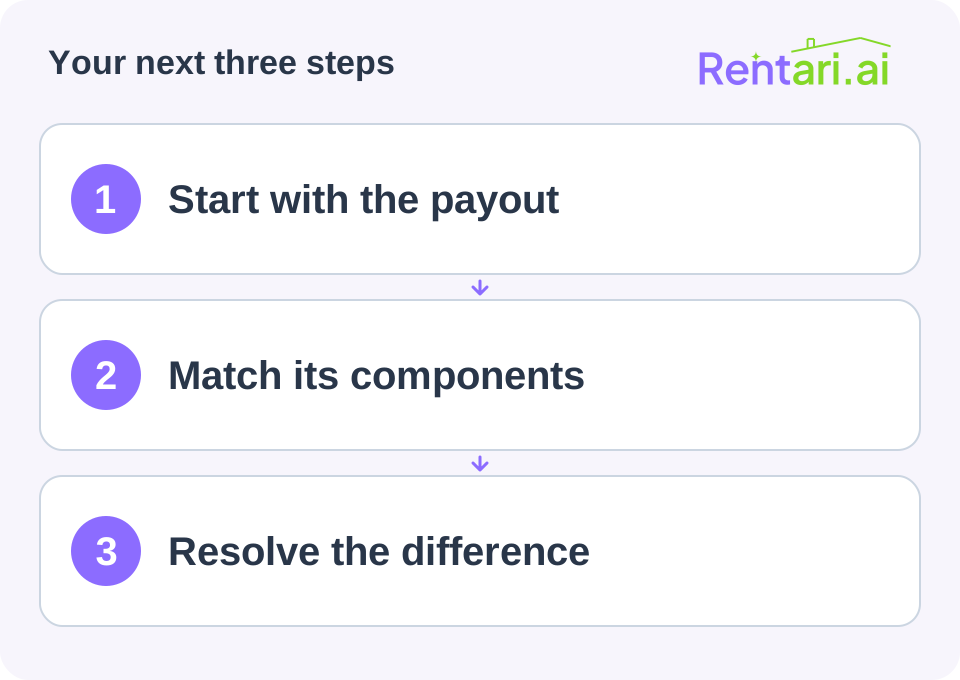
Begin with the bank event
Record deposit date, amount, bank reference, and the provider payout identifier. Obtain the provider's transaction breakdown for that payout.
Keep each resident payment, fee, refund, or adjustment identifiable. Do not allocate a combined deposit to the first tenant whose rent resembles the amount.
Explain the arithmetic
In a hypothetical payout, two $1,000 payments and a documented $10 provider fee produce a $1,990 deposit. The tenant payment records and the fee record remain separate. Ask your accountant how the entries should be classified in your books.
Timing differences should be labeled pending reconciliation rather than forced into an arbitrary expense.
Investigate unresolved items
Check missing transactions, duplicate imports, returns, refunds, and payout dates. Save the supporting statement and correction notes. Avoid deleting imported records merely to make a total match.
Once the components reconcile, mark the payout reviewed and keep the evidence accessible to authorized users.
A useful monthly question is: can someone trace this bank deposit back to its individual transactions? If not, improve the references and supporting records before the next close.

