

A resident may initiate payment before funds arrive in the landlord's bank. The first task is to identify which stage the transaction has reached.
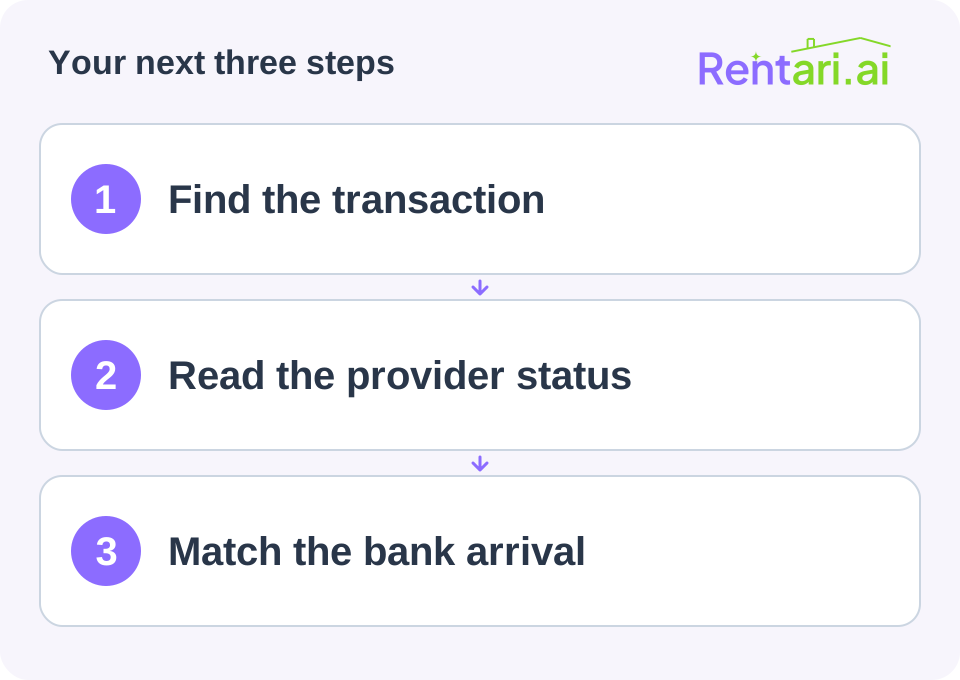
Locate the correct record
Match the resident, property, amount, date, and provider reference. Check whether the payment was scheduled, initiated, processing, completed, returned, or canceled using the provider's actual labels.
Do not invent a universal settlement time. Payment method, account setup, holidays, reviews, and provider rules can affect timing.
Check the expected next event
Consult current provider guidance and the transaction's estimated timing. Determine whether the platform is describing a tenant debit, processor balance, payout, or bank deposit. Those are different events.
If the record is outside its stated window, ask support about that specific reference and status. Do not request a duplicate payment merely because the bank deposit has not appeared.
Reconcile once it arrives
Match the payout to the bank record and underlying transactions, including any documented fees or adjustments. Keep returned or disputed payments distinguishable.
For cash planning, use funds actually available rather than assuming every initiated transaction can cover tomorrow's bill. Keep an operational buffer appropriate to your circumstances.
Your next step is to add a provider-reference field to payment inquiries. A traceable transaction is much easier to investigate than a general claim that the money is missing.

