The short answer
Compare documented move-in and move-out condition, distinguish ordinary wear from damage and verify the permitted charge and return process for the property. A replacement invoice alone does not establish the amount a tenant owes.
On this page
Start with comparable condition records
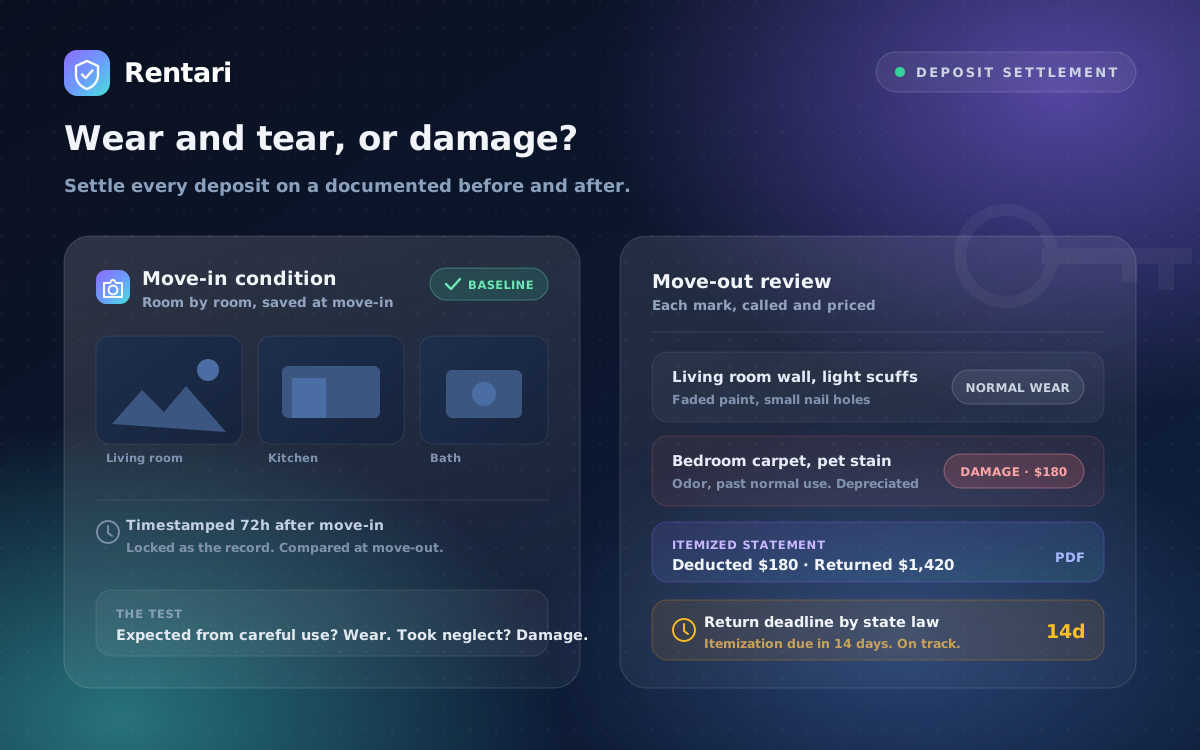
Use dated photos and descriptions of the same room, surface or fixture at move-in and move-out. Preserve the resident's comments, maintenance history and any intermediate inspection. Record an unknown starting condition as unknown rather than assuming it was new.
Identify ordinary use, pre-existing damage, unresolved maintenance and alleged new damage separately. Do not decide responsibility solely from the age of the tenancy or the appearance of a single photograph.
Review the actual loss and permitted basis
Check the lease and current local rules for allowable deductions, ordinary wear, cleaning, documentation and any limits on replacement charges. Determine whether repair is appropriate and whether age or remaining useful life affects the calculation.
Avoid automatically charging the full cost of a better or newer replacement. The governing rule and evidence determine the lawful amount, not a software suggestion or a contractor's total invoice.
Worked example: a damaged fixture
An illustrative repair invoice is $180. The inspection record shows a newly broken fixture, while an unrelated worn surface was already documented at move-in. Review the fixture charge against the actual rule and evidence; do not add the pre-existing wear simply because both appear in the same room.
If responsibility or the amount is uncertain, document the uncertainty and obtain advice. This example shows an evidence process and does not establish that $180 is deductible in a particular tenancy.
Prepare a clear itemization
Identify each proposed deduction, location, reason, amount and supporting document. Reconcile the deposit held, any required interest, lawful deductions and amount to return. Check the required deadline, delivery method and rules for estimates or later adjustments.
Keep a proof-of-delivery or mailing record appropriate to the jurisdiction. An internally completed inspection or generated letter is not proof that the accounting and refund were delivered.
Handle disagreement with the record
Give the resident a way to identify an error and provide contrary evidence. Compare it with the original record and correct a mistaken item. Keep disputed amounts distinct from undisputed money due for return under the applicable process.
Use the worksheet below to organize evidence. It is not a determination of liability or a substitute for the required local itemization form. Preserve original photos and invoices rather than embedding every sensitive document in a broadly shared spreadsheet.
Build an evidence trail
- Before
Locate dated move-in records and earlier maintenance history. - After
Record the move-out condition with the same room or item identified. - Assess
Separate wear, pre-existing defects, supported damage and improvements. - Account
Apply the local rules, itemize supported deductions and document the refund.
Take the worksheet with you
Download the blank worksheet (CSV). It records your inputs and does not calculate a legal or tax result.
Sources and further reading
 Check deposit holding and alternatives before collecting money
Match the account and records to the requirement. Check the actual jurisdiction, tenancy and program for deposit limits, required holding arrangements, interest, disclosures and receipts. Record each resident's amount, receipt date, purpose and later changes separately. A bank balance does not replace a tenant ledger, and opening an account later does not establish that earlier handling met the requirements.
Compare an alternative's full terms. A surety bond, insurance product or recurring deposit-replacement fee may work differently from refundable money held for a resident. Before offering one, review whether it is permitted, optional or subject to required disclosures; identify the provider, total fees, renewals, cancellation, claim process and any remaining obligation for damage or unpaid rent. Do not call the product refundable or promise that it removes liability without support in the actual agreement. Maryland's Attorney General's landlord–tenant guide illustrates why surety-bond costs and tenant obligations need separate review; use the rules for the actual property.
Keep later changes traceable. At renewal or an ownership change, reconcile the existing deposit, interest and transfer records before proposing a new amount. Review the lease, applicable limits and required process rather than automatically increasing or collecting it again. Give clear, accessible move-out expectations and retain comparable condition records; a resident's agreement or software entry does not make an otherwise restricted deduction permissible.
Written and maintained by the Rentari team. Examples explain a decision; they are not customer results. This is general education. Confirm the rules and treatment for your property with a qualified local professional. Found an error or an unclear step? Send a correction with this page's address and the detail to review.
Your next step
Explore move-out and deposit guides