

A hypothetical lease says water is included, while an old utility addendum says the tenant pays it. The applicant asks which page is correct.
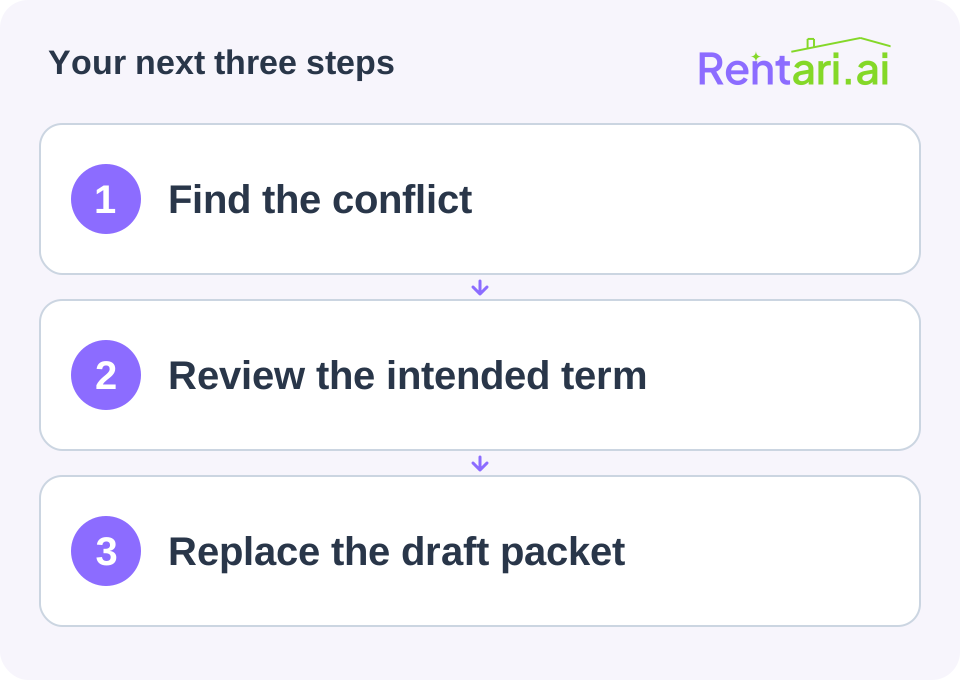
Stop the conflicting packet
The owner preserves the draft and identifies the exact conflicting sections. They compare both with the advertised offer and any commitments already made.
They do not ask the applicant to sign now and promise to sort out the wording later. A verbal explanation may leave the written conflict unresolved.
Get the correction reviewed
The responsible reviewer confirms the intended, lawful arrangement and any required disclosures or consent. If the change affects an existing commitment, qualified local advice may be needed before replacing terms.
The corrected packet uses one consistent allocation across the lease, addendum, listing record, and payment setup.
Issue a clear final version
The owner labels the corrected version, explains what changed, and uses the platform's proper process for any already-started signature request. All parties receive the same final packet.
The incident also reveals a master-template problem: an old attachment was being included automatically. Removing it from the future workflow prevents repetition.
Your practical check is simple: compare every repeated dollar amount and responsibility before sending. When documents disagree, resolve the substance and the version history together.

