

In a hypothetical case, a resident sends another payment after the first appears delayed. Both later complete. The landlord must investigate the duplicate rather than assume the excess should become next month's rent.
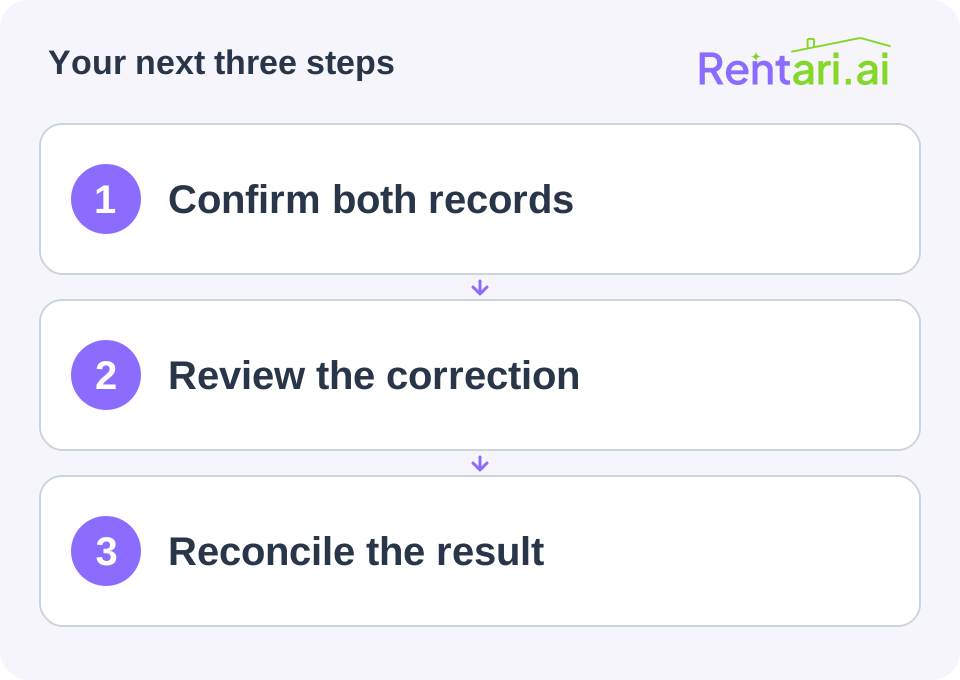
Establish what happened
Match both provider references, amounts, dates, and settlement states. Check whether either is still processing or subject to an active return or dispute.
Communicate that the records are being reviewed. Do not initiate an off-platform refund before understanding the provider's correction process.
Choose the reviewed correction
Consult the agreement, applicable requirements, provider guidance, and the resident's request. Document whether the authorized resolution is a refund, credit, or another lawful adjustment.
Keep the original payment history intact and record the corrective event separately.
Verify both sides
Confirm that the provider, resident ledger, and bank records reflect the resolution. A refund submitted is not necessarily a refund received, just as a payment initiated was not a settled payout.
The owner also changes the inquiry workflow: delayed transactions are traced before asking anyone to pay again.
This example shows why status precision matters. For your next payment question, identify the transaction and its current state before proposing a replacement. That can prevent a solvable delay from becoming a second accounting problem.

